A 12V 30A relay is a powerful and widely used electrical device that serves as an essential component in various circuits and systems, particularly those that involve higher power or current demands. Whether it’s in automotive systems, household appliances, or industrial machinery, the 12V 30A relay offers a practical solution for switching high-current loads while being controlled by a relatively low voltage. This article provides an in-depth look at the features, working principles, and common applications of this relay type, along with some important considerations when integrating it into a system.
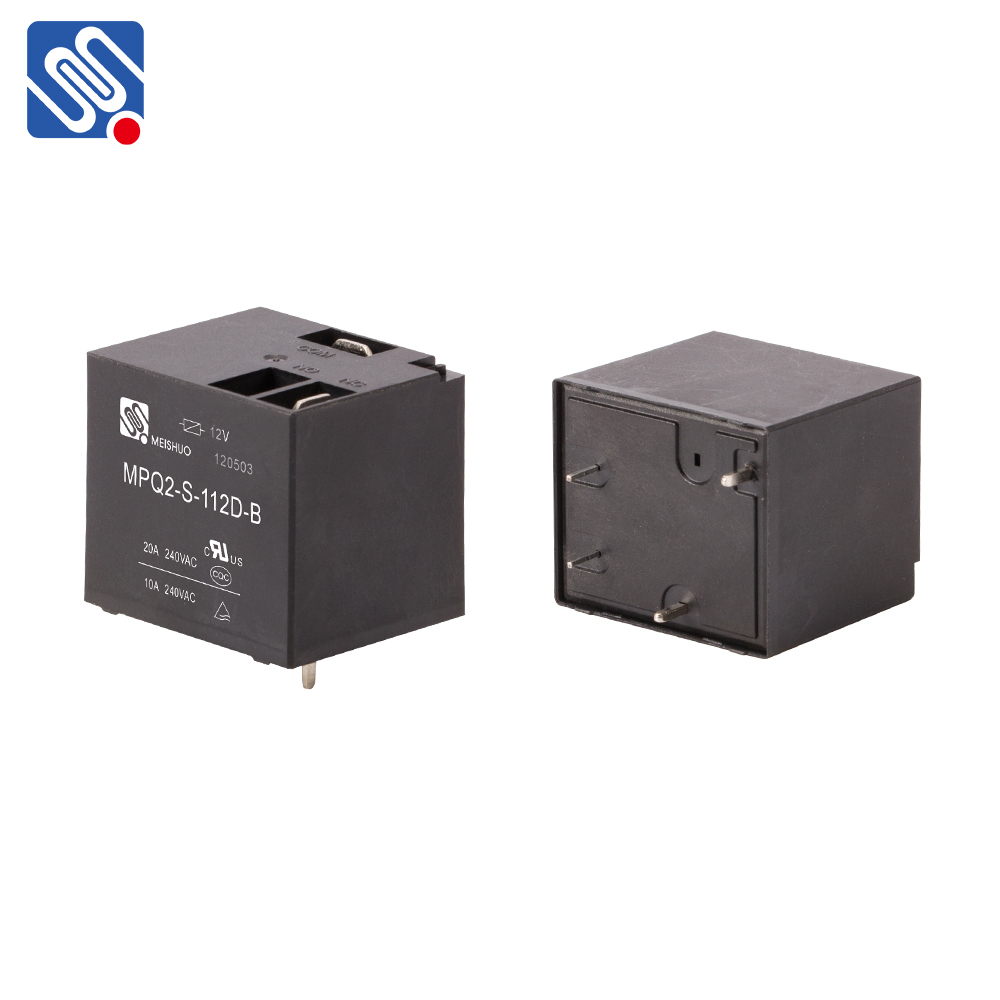
What is a 12V 30A Relay? A 12V 30A relay is an electromechanical switch that operates with a 12V direct current (DC) input and can handle a switching capacity of up to 30 amperes. This means that the relay can control large electrical loads that require substantial current, making it ideal for a range of applications where higher currents need to be switched on and off by a low-voltage control signal. The relay typically has a coil, which, when energized by the 12V DC signal, creates a magnetic field. This magnetic field moves the relay’s internal contacts, either opening or closing the circuit, to allow or interrupt the flow of higher voltage and current to connected devices.