In today’s world, where safety and health regulations are paramount, non-toxic solenoid valves have emerged as essential components in various industries. These valves play a crucial role in controlling the flow of fluids while ensuring that these fluids remain uncontaminated and safe for use. This article delves into the characteristics, applications, benefits, and maintenance of non-toxic solenoid valves, illustrating their importance in modern fluid control systems.
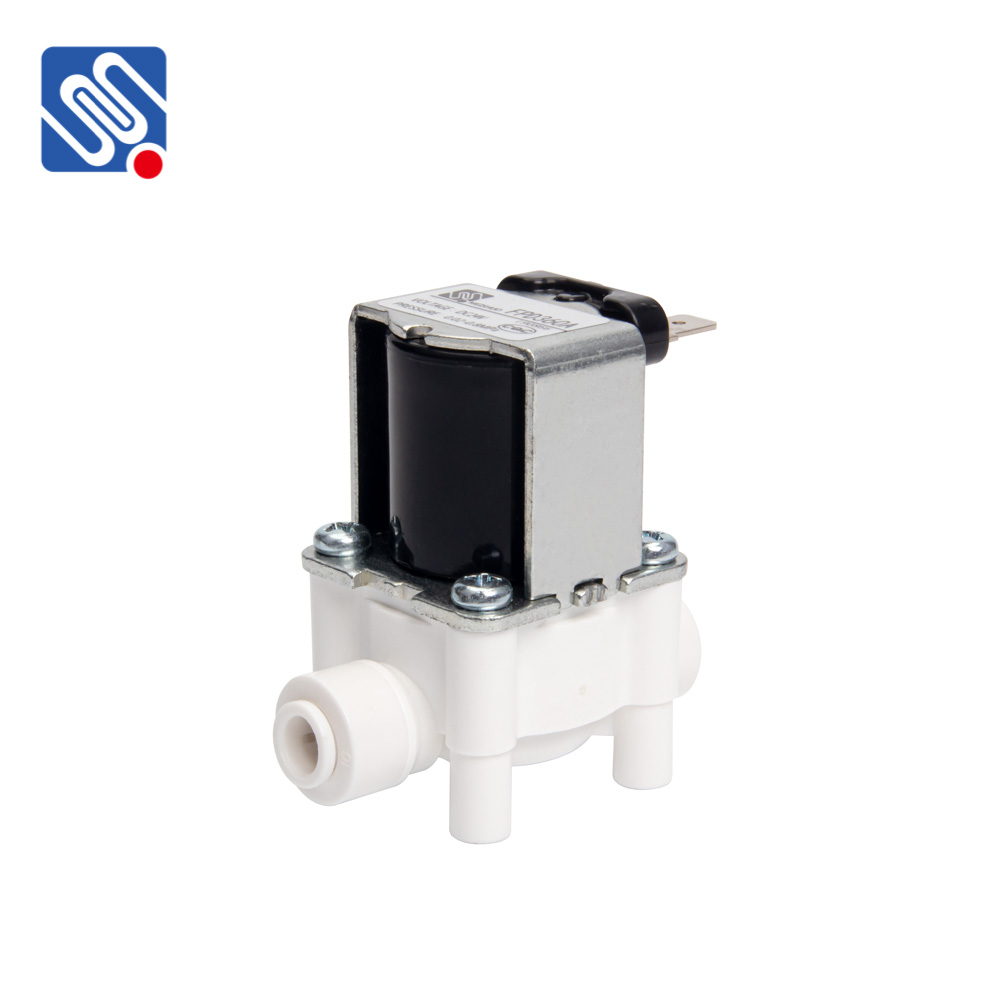
What is a Non-toxic Solenoid Valve? A non-toxic solenoid valve is an electromechanical device that controls the flow of fluids (liquids or gases) through a piping system without introducing any toxic contaminants into the media being transported. These valves are designed using materials that meet stringent safety and health standards, making them suitable for applications in food and beverage, pharmaceuticals, healthcare, and other industries where contamination is a major concern. Characteristics of Non-toxic Solenoid Valves 1. Safe Materials: Non-toxic solenoid valves are made from materials that do not leach harmful substances into the fluids they control. Common materials include food-grade plastics, such as polyvinyl chloride (PVC) and polytetrafluoroethylene (PTFE), as well as stainless steel, which offers durability and corrosion resistance.