Relay stability plays a crucial role in maintaining the smooth operation of control systems, particularly in power systems and automation. It refers to the ability of a relay, which is a type of electromechanical switch, to function stably within a system under varying conditions. When dealing with complex industrial systems, maintaining the stability of relays becomes paramount to prevent unnecessary disruptions or damage. This article explores the concept of relay stability, its importance, and how it impacts control systems.
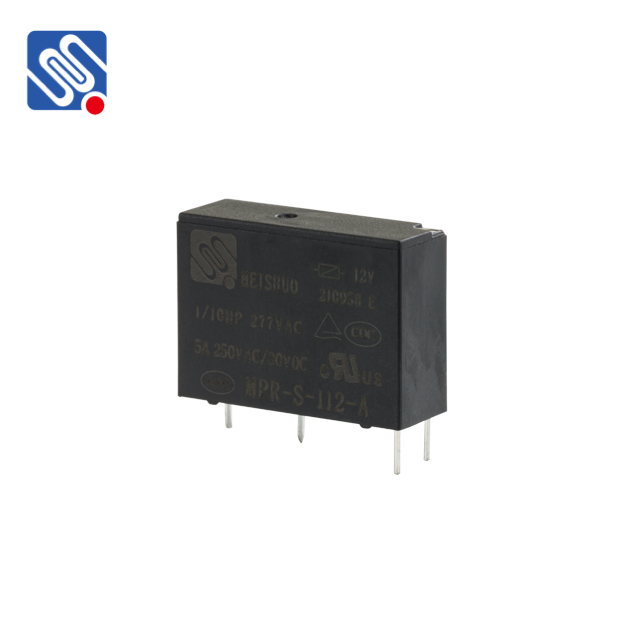
What is Relay Stability? Relay stability refers to the characteristic of a relay to behave in a controlled manner, responding accurately to the input signals without leading to excessive oscillations or instability. A relay typically operates by switching between two states based on specific conditions, such as voltage or current thresholds. For instance, in an electrical power grid, a relay may disconnect a circuit when an overcurrent situation is detected, ensuring the safety of the system. However, without proper stability, relays might activate or deactivate prematurely or erratically, leading to system malfunctions. This instability can result in frequent disconnections, unnecessary system shutdowns, or even more severe damage to components. As such, ensuring relay stability is a key concern in both electrical engineering and automation systems.