Pneumatic systems are widely used in various industries, ranging from manufacturing to construction, because of their efficiency and versatility. However, the power of compressed air can be dangerous if not properly controlled, especially during maintenance or repair operations. One crucial safety measure to prevent accidents and ensure the protection of workers is the use of Pneumatic Lockouts. These devices play a vital role in isolating pneumatic energy sources and preventing unexpected releases of compressed air, which can lead to severe injuries or damage. This article explores the application of pneumatic lockouts, their importance in industrial safety protocols, and best practices for their use.
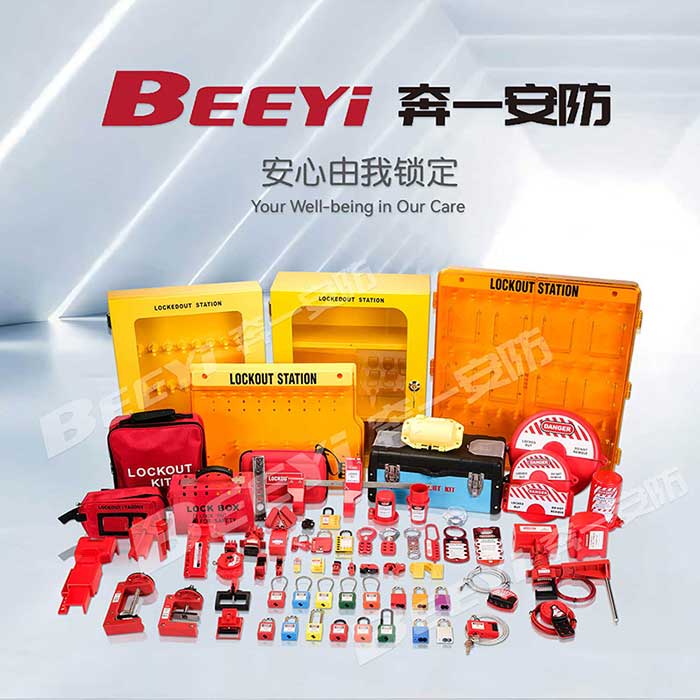
What Are Pneumatic Lockouts? Pneumatic lockouts are safety devices designed to physically isolate pneumatic energy sources, such as air supply lines, valves, or actuators, to prevent the accidental release of compressed air. These devices are commonly used in the lockout/tagout (LOTO) process, which ensures that machinery and systems are securely de-energized during maintenance. Pneumatic lockouts typically consist of mechanisms that can be applied to valves or air hoses, and they are designed to be tamper-resistant to ensure that unauthorized personnel cannot activate the system. The Role of Pneumatic Lockouts in Safety Protocols