In modern industrial environments, safety is a top priority, especially when dealing with high-pressure systems, automated machinery, and hazardous materials. One essential safety mechanism that has gained traction in various sectors is Pneumatic Lockouts. These devices play a crucial role in protecting workers from accidents caused by unintended equipment operation during maintenance, repair, or emergency situations. This article explores the application of pneumatic lockouts, emphasizing their importance in industrial safety systems and how they contribute to overall operational efficiency.
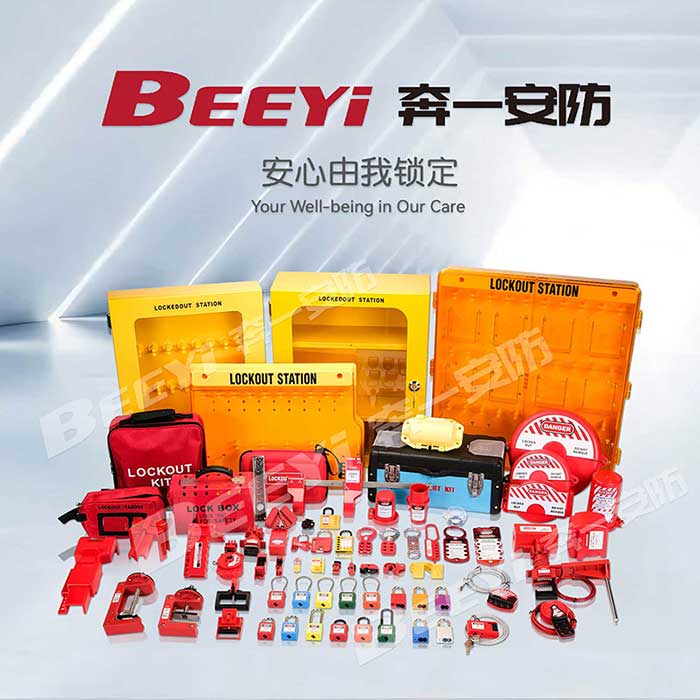
What are Pneumatic Lockouts? A Pneumatic Lockout is a safety device that uses air pressure or vacuum systems to lock or isolate machinery, valves, and equipment. It serves as a means of preventing the unintended release of energy from pneumatic, hydraulic, or other pressurized systems. Pneumatic lockouts are typically integrated with control systems and are commonly employed in industries like manufacturing, petrochemical, power generation, and water treatment. These lockouts are often used in conjunction with Lockout/Tagout (LOTO) procedures, which are safety practices designed to prevent accidental equipment startup during maintenance activities.