Relay voltage is a crucial aspect of the functionality and performance of electrical relays. It is the voltage required to energize the relay coil and initiate the switching action of its contacts. Relays are integral components in various applications, from industrial control systems to consumer electronics, and understanding relay voltage is essential for ensuring proper operation, compatibility, and longevity. In this article, we will delve into the concept of relay voltage, its significance, and considerations for choosing the right relay for a particular application.
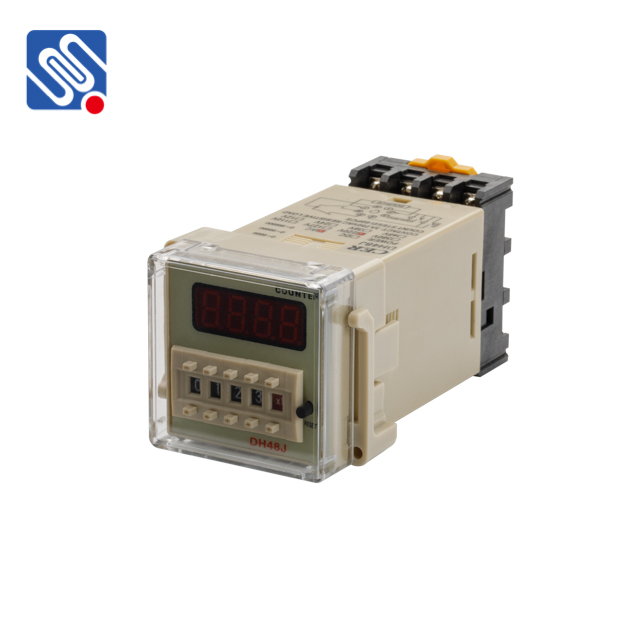
What is Relay Voltage? Relay voltage refers to the electrical voltage applied across the coil of an electromagnetic relay. The relay coil, when energized with the correct voltage, creates a magnetic field that pulls a mechanical armature, causing the relay contacts to either open or close. This action is used to control larger electrical circuits with relatively smaller control voltages. Relays are typically designed for either direct current (DC) or alternating current (AC), and each type has a specific voltage rating. The most common relay voltages include 5V, 12V, 24V for DC applications, and 110V, 220V for AC applications. It is essential to choose a relay with the correct relay voltage that matches the control circuit’s output voltage.