Lockout/Tagout (LOTO) safety is a critical safety practice in industrial environments that prevents machinery or equipment from being accidentally started up during maintenance or repair activities. The goal of LOTO is to ensure the safety of workers by controlling hazardous energy sources, such as electrical, mechanical, hydraulic, and thermal energy, which could otherwise cause serious injuries or fatalities. This article explores the significance of LOTO safety, its benefits, and the essential procedures for implementing a successful LOTO program.
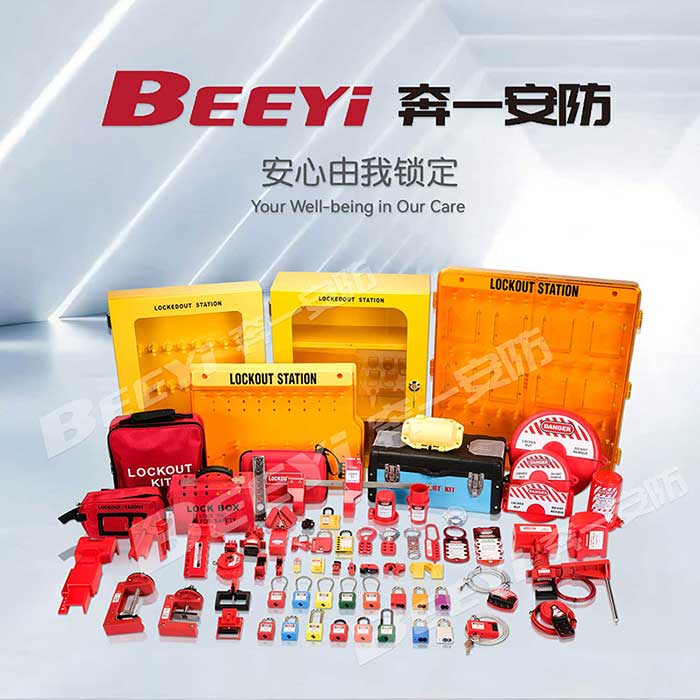
Understanding LOTO Safety LOTO refers to the procedures used to isolate energy sources from machinery or equipment during maintenance or repair work. The LOTO process typically involves two key components: Lockout: The physical act of locking the energy isolation device in the off position to prevent the release of hazardous energy. Tagout: The process of placing a warning tag on the energy isolation device to alert workers that maintenance or repair is in progress. Both actions work together to ensure that equipment cannot be inadvertently started while maintenance personnel are working on it. This safety procedure applies to a wide range of equipment, including electrical systems, machines with moving parts, and systems that operate under pressure, such as steam or hydraulic systems.