Relays are essential components in electrical systems, serving as a switch to control circuits by opening and closing contacts in response to electrical signals. Whether in industrial machinery, automotive applications, or everyday household electronics, relays play a vital role in ensuring the reliable operation of various devices. However, like all components, relays have a limited lifespan, which is influenced by a range of factors, including the type of relay, the operating environment, and the nature of its use. Understanding the concept of relay lifespan is critical for users and engineers looking to optimize performance and reliability.
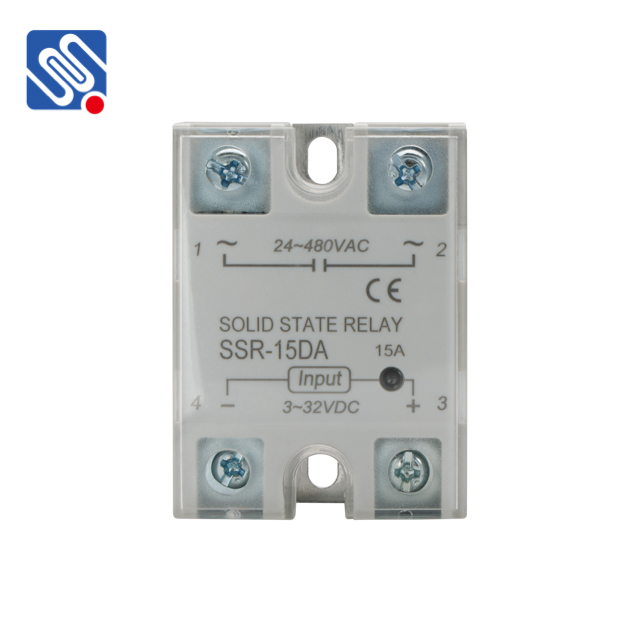
Types of Relay Lifespan Relay lifespan is typically divided into two main categories: mechanical lifespan and electrical lifespan. Mechanical Lifespan The mechanical lifespan of a relay refers to the number of times its moving parts, primarily the contacts and the armature, can operate without failure. This type of lifespan is usually measured in mechanical operations and can extend to millions of cycles. The mechanical components are subjected to wear and tear from repeated movements, but as long as there is no electrical load, the relay can last a significant amount of time. Electrical Lifespan