Lithium batteries have become an essential component in modern electronics and energy storage systems. They are used in everything from smartphones to electric vehicles, providing high energy density and reliability. As lithium battery technology continues to evolve, so does the need for components that ensure efficiency, safety, and durability. One such component is the WCB lithium battery valve. This crucial part plays a key role in the performance and safety of lithium batteries, and its integration with automation technologies like Helix Automation is revolutionizing the manufacturing process.
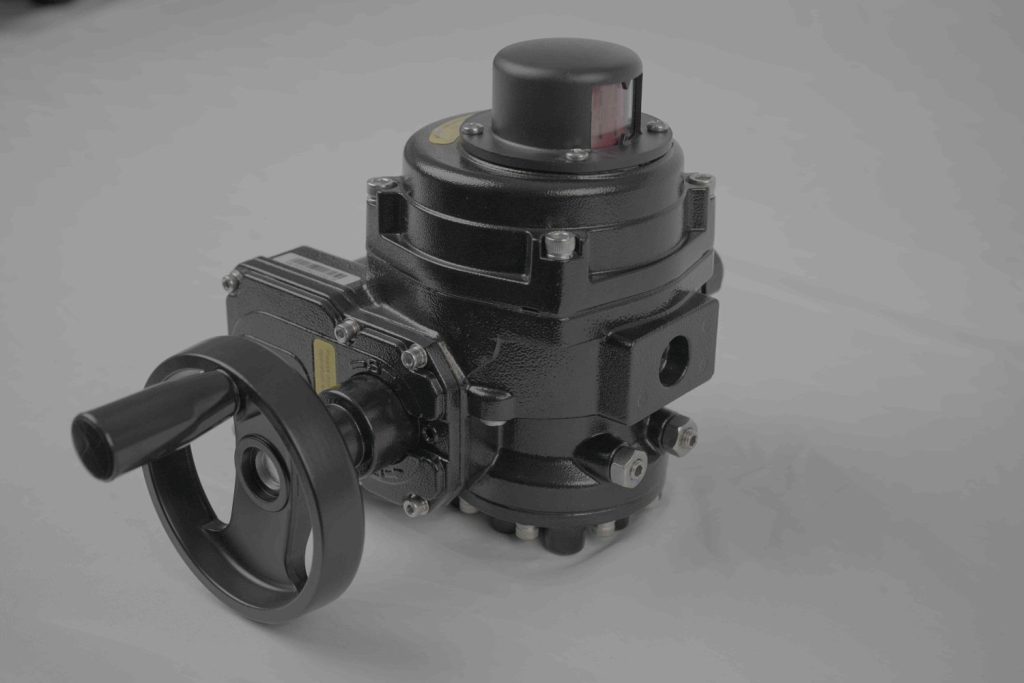
Understanding the WCB Lithium Battery Valve The WCB lithium battery valve, often made from durable materials such as WCB (White Cast Brass), is designed to regulate the internal pressure of lithium-ion batteries. The valve plays a crucial role in preventing battery failures caused by excessive pressure build-up. In a lithium battery, gases are generated during charging and discharging processes. If these gases cannot escape, they create internal pressure, which can lead to dangerous conditions such as leaks, explosions, or fires. The WCB lithium battery valve is engineered to release pressure when it reaches a certain threshold, ensuring that the battery remains safe and functional. This safety mechanism is critical, especially in applications such as electric vehicles or energy storage systems, where the battery’s failure could have catastrophic consequences. The valve works by allowing gas to escape in a controlled manner, reducing the risk of damage to the battery’s casing or internal components.