The rapid evolution of the Internet of Things (IoT) has transformed the way we interact with everyday devices, offering unprecedented levels of automation, efficiency, and convenience. Among the most versatile and innovative components of modern IoT systems is the Webhook Enabled IoT Relay. This device combines the functionality of a traditional relay with the flexibility of web-based communication, allowing users to control electronic devices remotely and integrate them seamlessly into complex automation workflows.
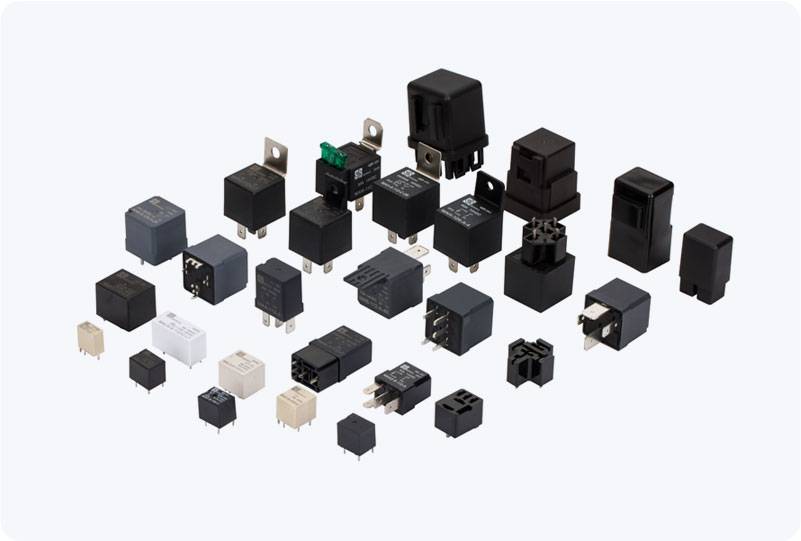
At its core, a Webhook Enabled IoT Relay is a relay switch that can be triggered via web requests, commonly known as webhooks. Unlike conventional relays, which rely on physical switches or local controllers, this relay operates over the internet, responding to HTTP requests such as POST or GET commands. This simple yet powerful capability opens up a wide range of applications, from home automation to industrial monitoring. One of the primary advantages of using a Webhook Enabled IoT Relay is its ability to integrate with existing web services and automation platforms. For example, users can connect the relay to cloud-based systems such as IFTTT, Zapier, or custom web APIs, enabling devices to react to a variety of triggers. A simple webhook can turn on a smart lamp when motion is detected, activate a water pump when soil moisture levels drop, or even control machinery in a manufacturing setting based on sensor inputs. This interoperability makes it an ideal choice for both hobbyists and professional developers looking to create dynamic, responsive systems.