Solid State Relays (SSRs) have become an indispensable component in modern electrical and electronic systems. Unlike traditional electromechanical relays that use mechanical contacts to switch on or off a circuit, SSRs use semiconductor devices to perform the switching operation. Their ability to provide faster, more reliable, and durable switching has made them the preferred choice in various industrial, commercial, and consumer applications. This article will provide a comprehensive overview of Solid State Relays, including their working principle, advantages, drawbacks, and applications.
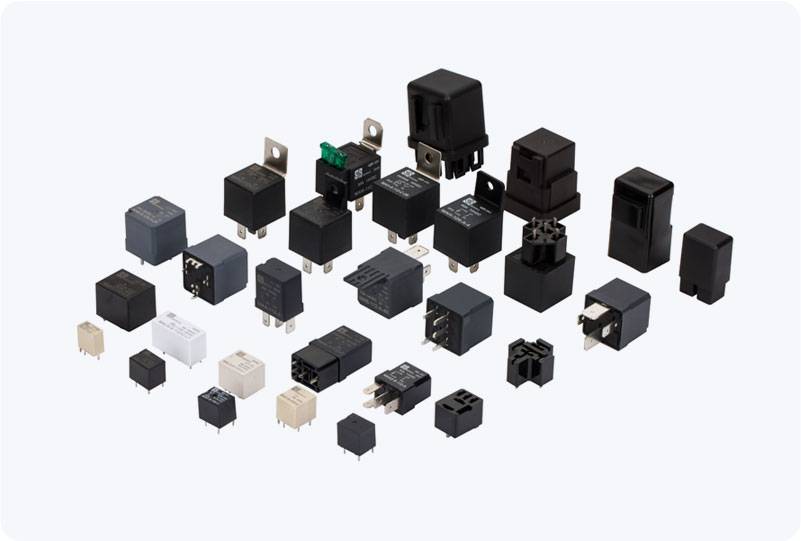
What is a Solid State Relay (SSR)? A Solid State Relay (SSR) is an electronic switching device that uses semiconductor components like triacs, thyristors, and phototransistors to control the switching of a load circuit. The relay operates by using low-voltage control signals to activate a semiconductor, which then switches the high-power load on or off without any physical contact. In simple terms, an SSR allows a small control signal to control a much larger current or voltage without mechanical parts, unlike traditional relays that require physical contacts to make or break a connection.