The electromechanical switch is a crucial component in modern electrical and electronic systems, marrying the principles of mechanics and electricity to create a versatile tool for controlling electrical circuits. As technology continues to evolve, the role of electromechanical switches has become increasingly prominent in various applications, ranging from home appliances to industrial machinery. In this article, we will explore the functionality, types, advantages, disadvantages, and applications of electromechanical switches.
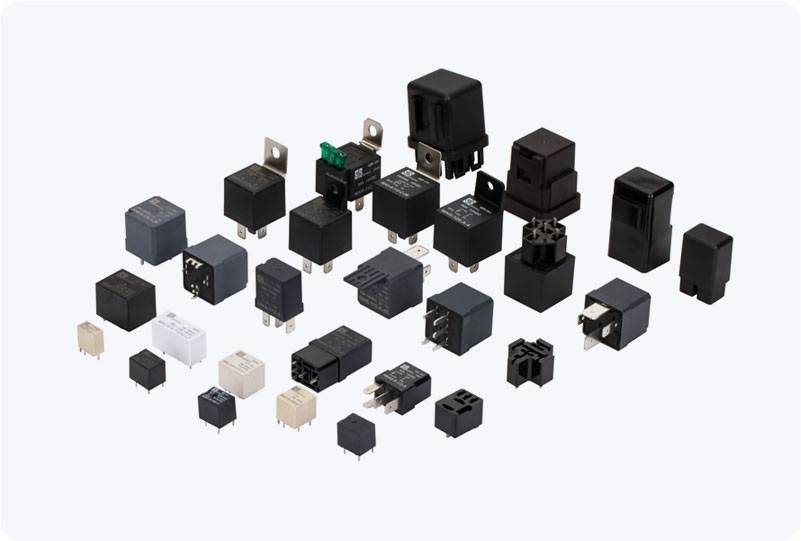
Functionality of Electromechanical Switches At its core, an electromechanical switch operates by utilizing an electrical input to control mechanical movement. The basic operation can be summarized in three key steps: Electrical Signal Input: The switch receives a signal, which can be generated by a button press, sensor activation, or other electronic signals. Electromechanical Activation: This signal energizes an electromagnetic component, such as a solenoid or relay coil. The energized component produces a magnetic field that triggers mechanical parts to move. Mechanical Switching: Once the mechanical parts move, the switch either closes or opens a circuit, allowing or stopping the flow of electrical current. This mechanism enables the control of higher-power circuits with a relatively low-power input.