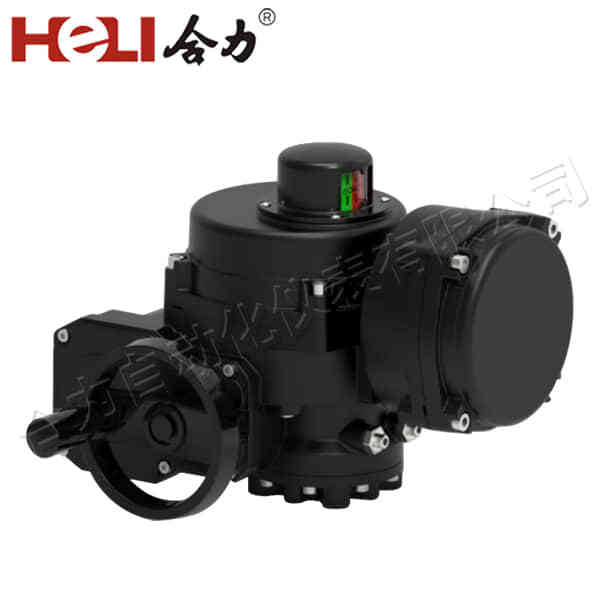
Electric actuators are a cornerstone in the world of automation and control systems, offering a reliable and efficient method for converting electrical energy into mechanical motion. These devices are crucial in a wide array of applications, ranging from industrial machinery and robotics to HVAC systems and process control. As industries continue to demand more precise, energy-efficient solutions, electric actuators are becoming increasingly prevalent due to their versatility and cost-effectiveness.
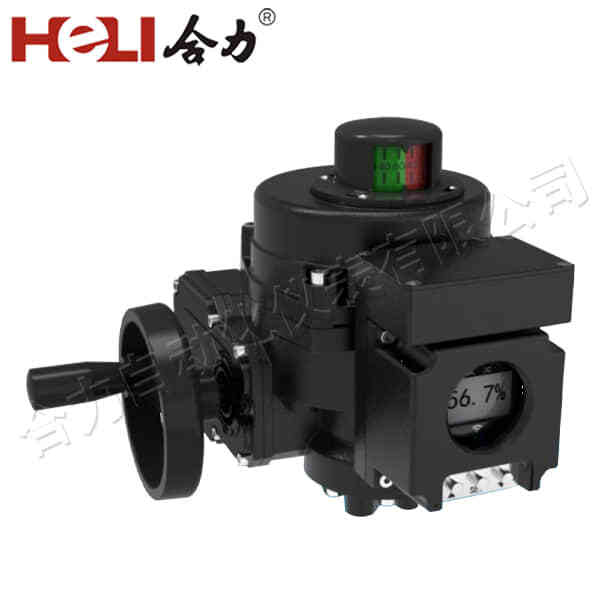
What is an Electric Actuator?
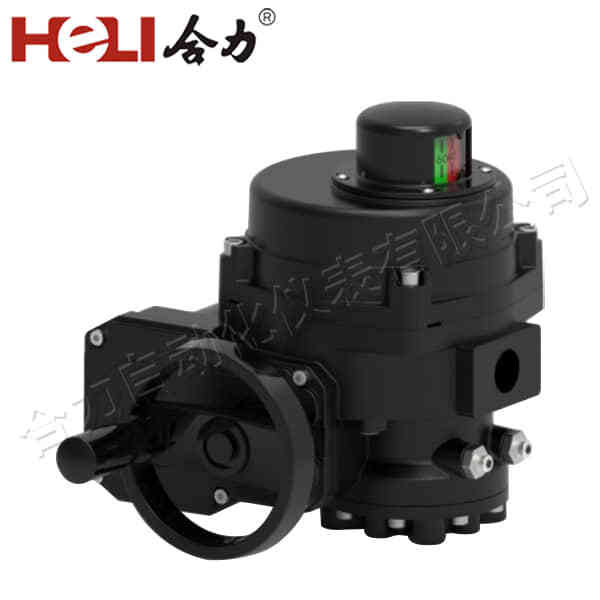
An electric actuator is a device that uses an electric motor to produce a mechanical movement. It is essentially the “muscle” of automation systems, performing tasks such as opening and closing valves, adjusting positions, or moving parts in machinery. The working principle behind electric actuators is relatively simple. When electrical energy is supplied to the motor, it generates rotational or linear motion, which is then transmitted through a series of mechanical components like gears, screws, or belts, depending on the type of actuator. There are two main types of electric actuators: linear actuators and rotary actuators. Linear actuators convert electric energy into straight-line motion, commonly used in applications like sliding doors, adjustable chairs, or valve controls. Rotary actuators, on the other hand, convert electrical energy into rotational motion, often used in rotating machinery, robotic arms, and valve control systems in various industries.