Relay connections are an essential part of electrical and electronic systems, providing a means to control circuits and devices remotely or automatically. A relay, by definition, is an electrical switch that uses an electromagnet to control the opening and closing of contacts, thereby controlling a larger electrical circuit with a smaller one. Relay connections are widely used across various industries, from home automation to industrial control systems, owing to their reliability and ability to manage high-power devices with low-power control signals.
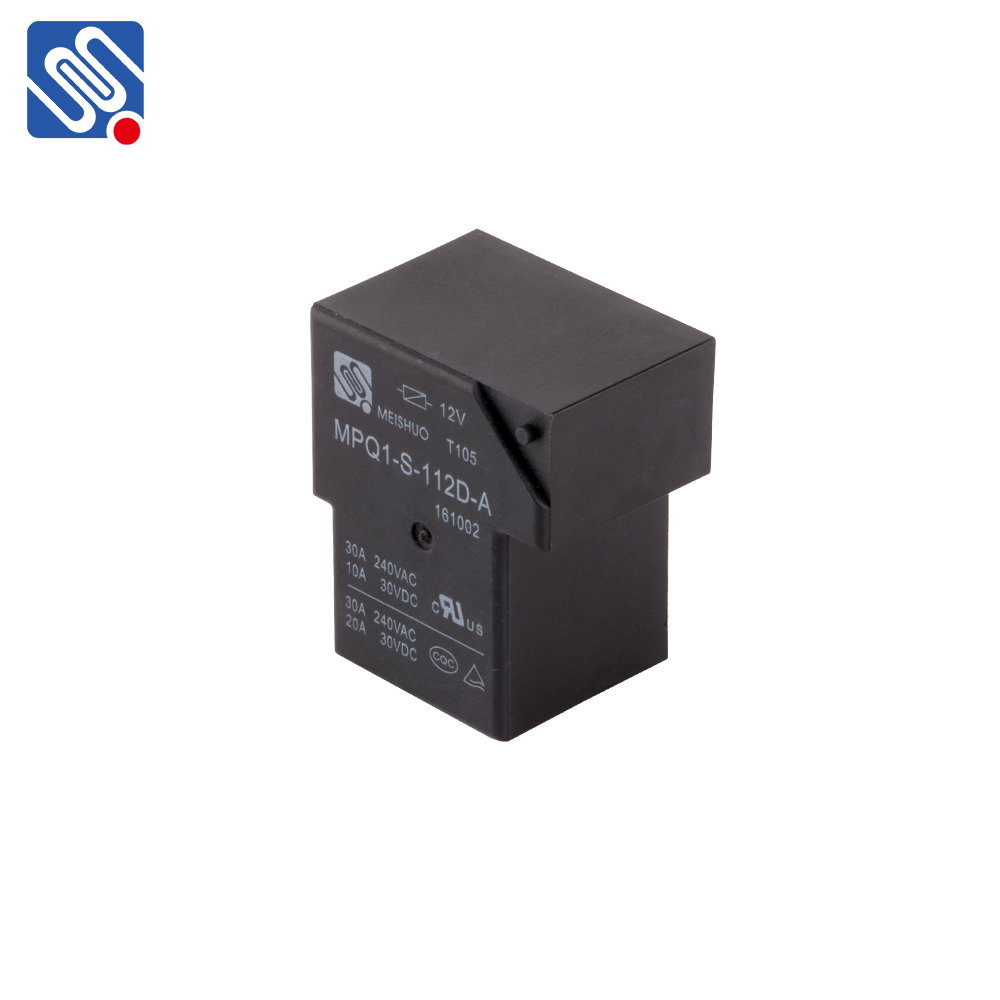
What is a Relay? A relay is a type of electromagnetic switch. It consists of a coil (the electromagnet), an armature (a movable iron piece), and a set of contacts. When a current passes through the coil, it generates a magnetic field, which attracts the armature and causes the contacts to either open or close. This process allows the relay to control the flow of current in a larger circuit, using a much smaller control signal. Relays can have different types of contacts, typically including: Normally Open (NO): In this state, the contacts are open when the relay is not energized, and they close when the relay is activated.