Industrial Pneumatic Lockouts are essential safety devices used to protect workers from the accidental release of energy, particularly in pneumatic systems. These lockouts are an integral part of the Lockout/Tagout (LOTO) procedure, which is crucial for ensuring the safety of employees working with machinery or equipment that operates under pressure or powered by compressed air. In this article, we will explore the importance of industrial pneumatic lockouts, how they work, their components, and the benefits they provide in a workplace setting.
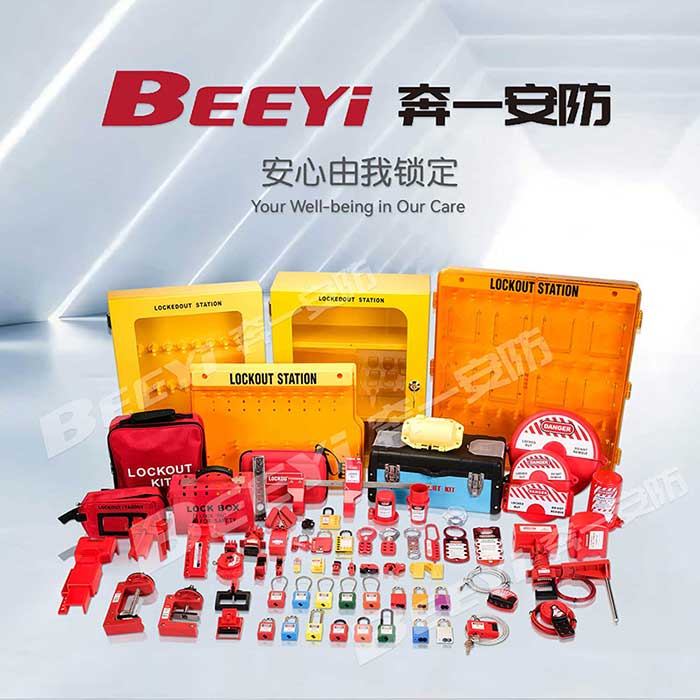
1. What are Industrial Pneumatic Lockouts? Industrial Pneumatic Lockouts are mechanical devices designed to prevent the accidental operation of pneumatic systems during maintenance, repair, or installation. These systems, which rely on compressed air to power machinery, can pose significant risks to workers if not properly isolated. Pneumatic lockouts ensure that the air supply to the system is cut off, preventing the equipment from starting up unexpectedly and causing injuries or damage. 2. How Do Pneumatic Lockouts Work? Pneumatic lockouts work by isolating the energy source of a pneumatic system—typically compressed air. There are several ways this can be achieved, including the use of valves, quick-connect couplings, and pressure release mechanisms. The basic process usually involves: