The rapid development of electric vehicles (EVs) has brought significant advancements in battery technology and power management systems. Among the critical components ensuring the safe and efficient operation of EVs is the EV Battery Relay. This essential device plays a vital role in controlling high-voltage circuits within the vehicle, acting as a bridge between the battery pack and the electrical systems that drive the car.
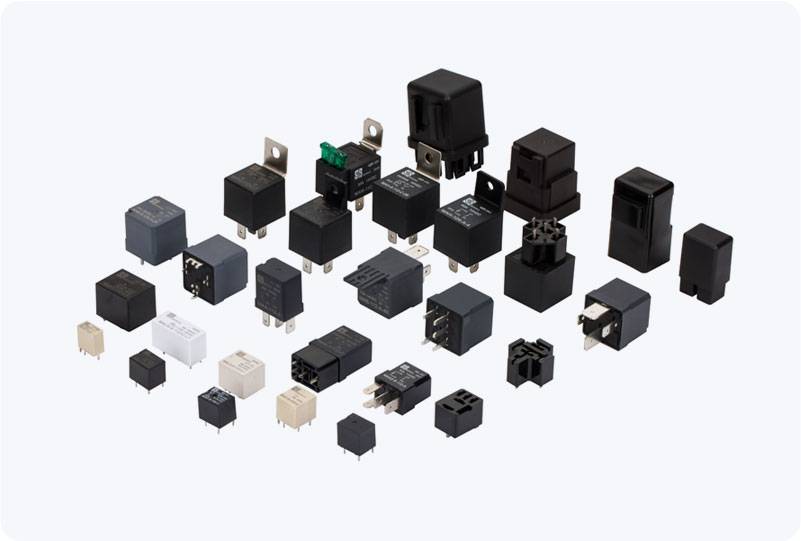
An EV Battery Relay is essentially an electrically operated switch designed to handle high voltage and high current conditions. Unlike traditional automotive relays, which typically manage low-voltage circuits, EV relays must operate reliably under demanding conditions, often involving voltages ranging from 300V to 800V or higher. This makes their design and performance crucial for both safety and functionality. One of the primary functions of an EV Battery Relay is to control the connection and disconnection of the battery pack from the vehicle’s powertrain. When the vehicle is turned on, the battery management system (BMS) sends a signal to the relay, causing it to close and allow electrical energy to flow to the motor and other components. Conversely, when the vehicle is turned off or a fault is detected, the relay opens, effectively isolating the battery from the rest of the system. This isolation is critical in preventing electrical hazards, protecting both the vehicle and its occupants.