Relay isolation is a fundamental technology widely used in various electrical systems to ensure safety, enhance system efficiency, and prevent electrical interference. By using relays to isolate circuits, this technique provides a reliable method of protecting sensitive components from high voltage or transient disturbances, making it indispensable in applications ranging from industrial automation to telecommunications. In this article, we will explore the concept of relay isolation, its working principles, applications, and benefits.
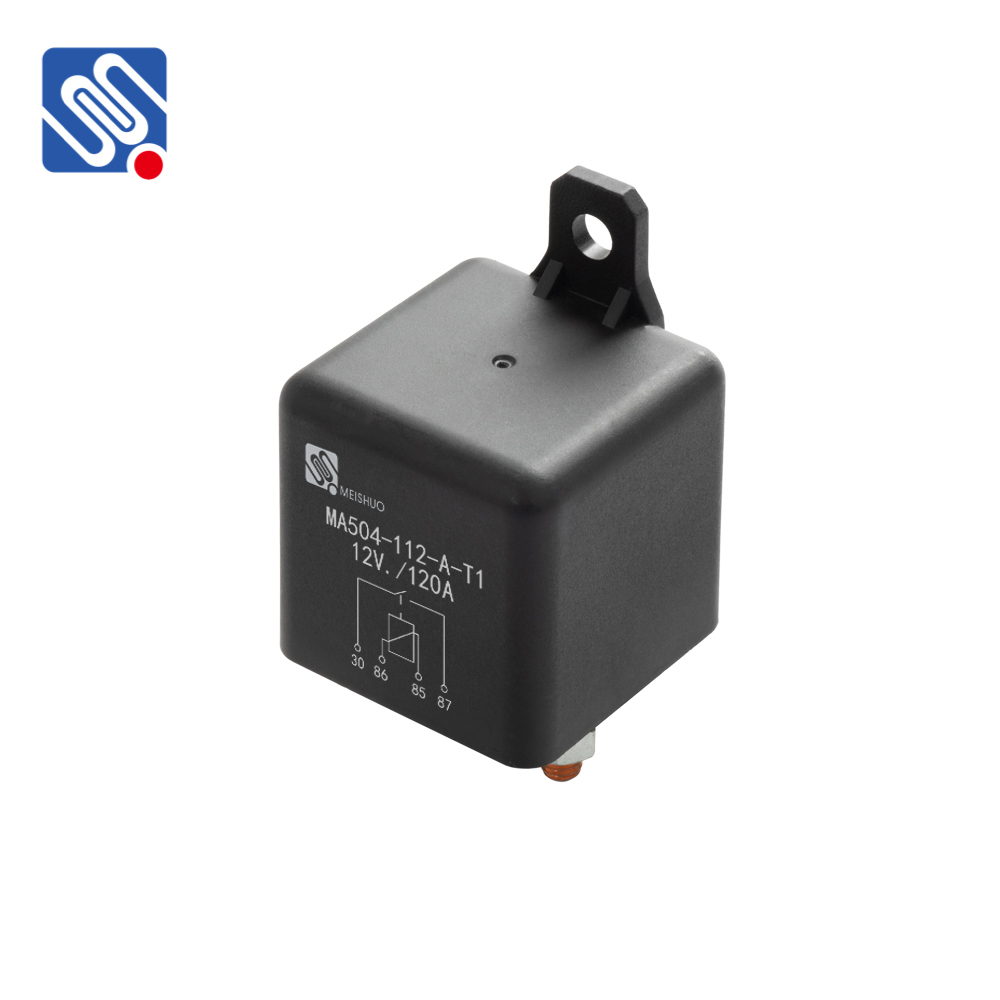
What is Relay Isolation? At its core, relay isolation refers to the practice of using a relay to electrically isolate different sections of a circuit. A relay is an electrically operated switch, often consisting of an electromagnet (the coil) and a set of contacts that close or open when the coil is energized. The key feature of relay isolation is that the relay provides a physical barrier between the controlling side (usually low-voltage control circuits) and the load side (which may involve high voltages or large currents). The primary purpose of relay isolation is to protect sensitive components, like microcontrollers, sensors, or computers, from harmful electrical disturbances generated by high-voltage systems or equipment. This separation not only protects delicate electronics but also ensures that the controlled devices and control systems operate independently and securely.