Lockout hasps are essential tools in the field of industrial safety, designed to manage hazardous energy and prevent accidental machine activation during maintenance or repair work. These devices are critical in ensuring worker safety and are a key component of any effective lockout/tagout (LOTO) program. Understanding the price range and influencing factors for lockout hasps is vital for organizations looking to implement safety measures without overspending.
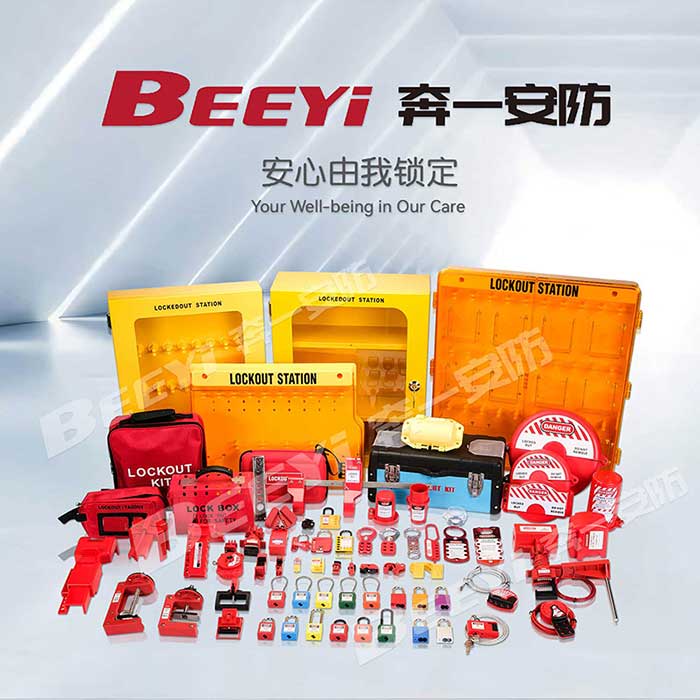
What are Lockout Hasps? Before diving into pricing, it is important to understand what lockout hasps are. A lockout hasp is a device that secures energy control devices, such as a circuit breaker or valve, in a locked position. Typically made from durable materials like metal or heavy-duty plastic, hasps are designed to accommodate multiple locks, allowing several workers to secure their individual locks to a single point of control. This ensures that no one can operate the machinery while maintenance work is being carried out. Factors Influencing Lockout Hasps Price Material Composition: The material used in manufacturing lockout hasps greatly affects their price. Plastic hasps are often less expensive and are suitable for light-duty applications. However, metal hasps, which provide greater durability and strength, typically cost more. Organizations must assess the environment in which the hasps will be used to determine the best material for their needs.