In the ever-evolving world of smart home technology, consumers are often faced with the challenge of ensuring compatibility between devices from different brands. This issue of device interoperability has been a significant barrier to the seamless experience that users expect. To address this challenge, a new open-source connectivity standard called Matter has been introduced. At the same time, Zigbee, a widely used wireless communication protocol for smart home devices, continues to play a critical role in this ecosystem. The Matter Certified Zigbee Relay represents a groundbreaking solution that combines the best of both worlds, ensuring greater compatibility and ease of use for smart home enthusiasts.
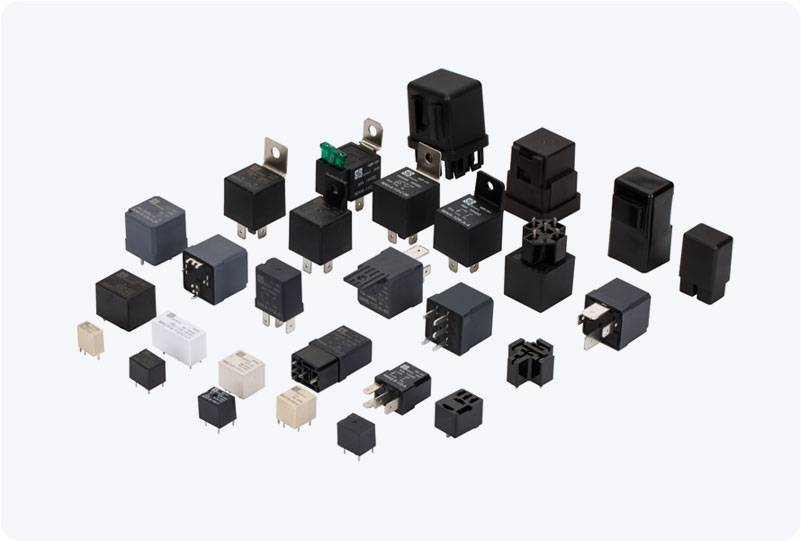
What is a Zigbee Relay? A Zigbee Relay is a device used in home automation systems to control electrical devices, such as lights, fans, and appliances, remotely. It acts as an intermediary between the electrical system and a Zigbee-compatible controller (like a smart hub or smartphone). These relays are crucial in extending the functionality of Zigbee-based networks, as they can switch high-voltage appliances on and off while maintaining low-power communication. The Rise of Matter in Smart Home Technology The Matter protocol, initially introduced by the Connectivity Standards Alliance (CSA), previously known as the Zigbee Alliance, aims to unify the smart home ecosystem. With major tech giants like Apple, Google, Amazon, and others supporting Matter, it promises to resolve one of the biggest pain points in the industry—interoperability. Matter is designed to allow devices from different manufacturers to work together seamlessly, regardless of the brand.