In modern automotive systems, the importance of reliable and efficient lighting cannot be overstated. From the headlights that illuminate the road to the taillights ensuring visibility for other drivers, lighting plays a critical role in vehicle safety. Among the various components that make up a vehicle’s lighting system, the automotive relay for headlights stands out as a key element for ensuring the longevity and proper function of the vehicle’s lighting. This article delves into the significance of automotive relays, their working principle, and their role in optimizing the headlight system.
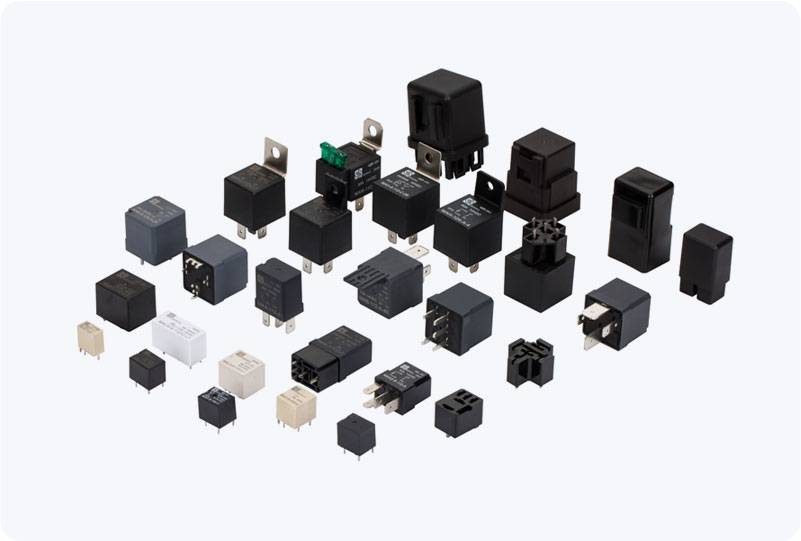
What is an Automotive Relay for Headlights? An automotive relay for headlights is an electrical device used to control the flow of power to the headlights of a vehicle. It serves as an intermediary switch that allows a small control current to trigger a much larger current to power the headlights. This not only makes the system more efficient but also helps in protecting the vehicle’s main switches from the high electrical load typically required by headlights. The Role of Automotive Relays in Headlight Systems The role of a relay in a vehicle’s lighting system is paramount. When the driver turns on the headlights, the switch only needs to handle a low current. However, the headlights themselves require a significant amount of current, which could easily overload a standard switch. This is where the automotive relay for headlights comes in.