AC Motor Relays are essential components in various electrical systems, particularly those involving the operation of electric motors. These relays play a critical role in ensuring that motors function properly while also providing crucial protection against damage due to overloads, electrical faults, or improper operations. In this article, we will explore the working principles, types, applications, and benefits of AC Motor Relays.
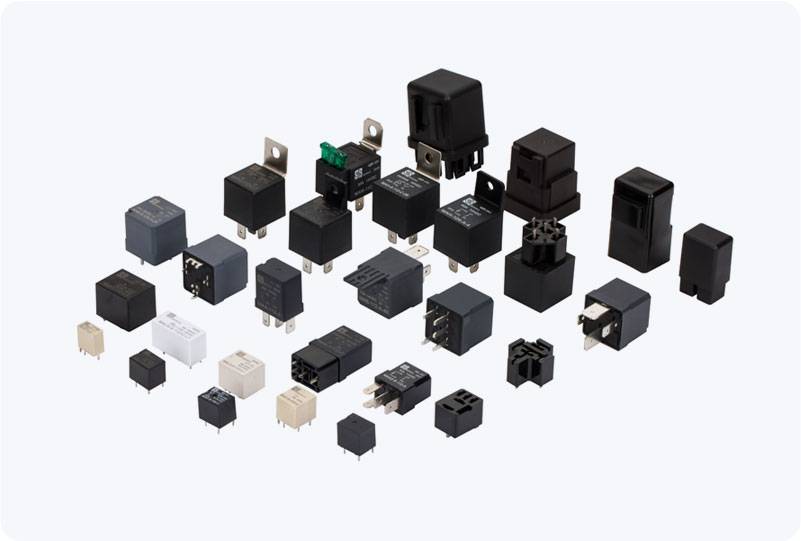
What is an AC Motor Relay? An AC Motor Relay is an electromechanical switch that is designed to control the operation of an alternating current (AC) motor. The primary purpose of the relay is to connect or disconnect the motor from the electrical power source, depending on the input signals received. This allows the motor to start, stop, or undergo protection from potential harm caused by electrical anomalies such as overcurrent or overtemperature conditions. Essentially, it serves as a safeguard for the motor and ensures its longevity and safe operation. Working Principles of an AC Motor Relay