Relay load is a crucial concept in the field of electrical engineering, particularly when it comes to designing safe and efficient control systems. A relay is an electromagnetic switch that allows one circuit to control another circuit, utilizing a low-power signal to manage a high-power load. This functionality makes relays indispensable in various applications, from home automation systems to industrial machinery. This article will explore the intricacies of relay load, its components, its applications, and its importance in modern electrical systems.
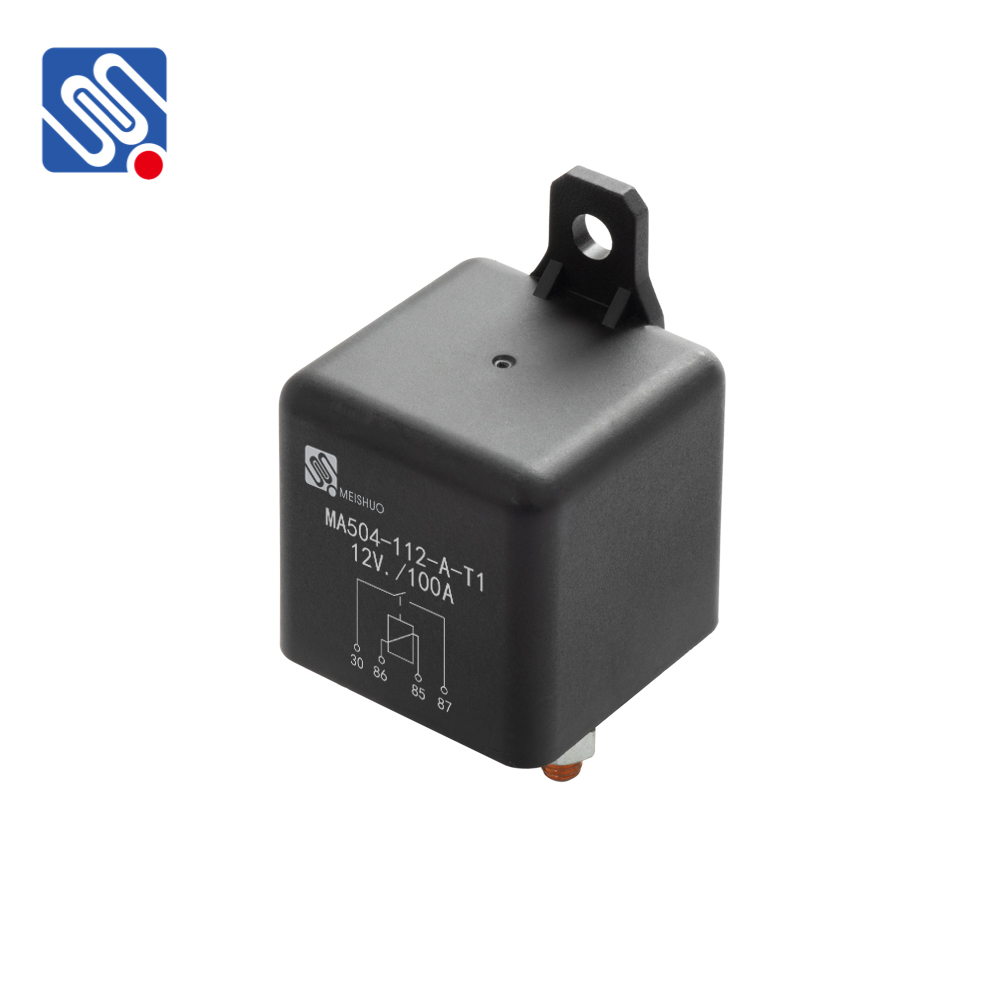
The Basics of Relays and Relay Load At its core, a relay consists of an electromechanical switch and a coil of wire that generates a magnetic field when an electrical current passes through it. This magnetic field acts to open or close the switch, allowing or interrupting the flow of electricity to a connected load. The load can be any electrical device, including lights, motors, or heating elements. The capacity of a relay to handle different types of loads—termed “relay load”—is characterized by its voltage and current ratings. Understanding relay load is vital because every relay has specific limits on how much current and voltage it can handle safely. Exceeding these limits can lead to relay failure, damage to connected equipment, or even hazardous conditions such as electrical fires. Therefore, selecting the appropriate relay for a specific load is essential for ensuring reliability and safety in electrical designs.