In today’s fast-paced world, smart home technology is no longer a luxury but a necessity for modern households. Among the many devices that contribute to home automation, the Smart Appliance Relay stands out as a pivotal tool, bridging the gap between conventional appliances and intelligent control systems. By enabling remote management and automation of household devices, Smart Appliance Relays not only enhance convenience but also improve energy efficiency and safety.
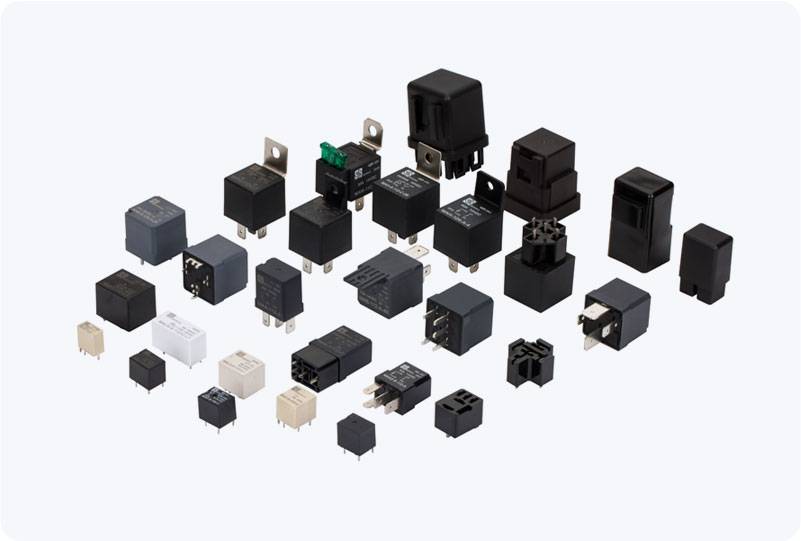
A Smart Appliance Relay is essentially a device that allows users to control high-voltage appliances remotely through low-voltage signals. Unlike standard smart plugs that are suitable only for low-power devices, these relays are designed to handle large household appliances, including washing machines, water heaters, ovens, and HVAC systems. By integrating with Wi-Fi, Zigbee, or Z-Wave networks, Smart Appliance Relays become a seamless part of the smart home ecosystem, allowing users to control appliances via smartphone apps or voice assistants such as Alexa, Google Home, or Siri. The working principle behind a Smart Appliance Relay is both simple and effective. The relay itself acts as a switch, either mechanical or solid-state, capable of safely connecting or disconnecting power to an appliance. When a command is sent from a connected device or application, the relay responds instantly, toggling the appliance’s power state. This allows for precise scheduling, remote activation, or automated responses based on sensor inputs such as temperature, humidity, or occupancy. For example, a water heater can automatically turn on shortly before a user wakes up, ensuring warm water is available without wasting energy throughout the night.