A PCB electromagnetic relay is a vital electromechanical device that plays a crucial role in modern electronic systems. These relays are designed to switch electrical circuits on or off by using a small control signal to activate a larger current. As their name suggests, they are mounted directly onto printed circuit boards (PCBs), which are the foundation of most electronic devices. This article explores the functionality, components, advantages, and applications of PCB electromagnetic relays.
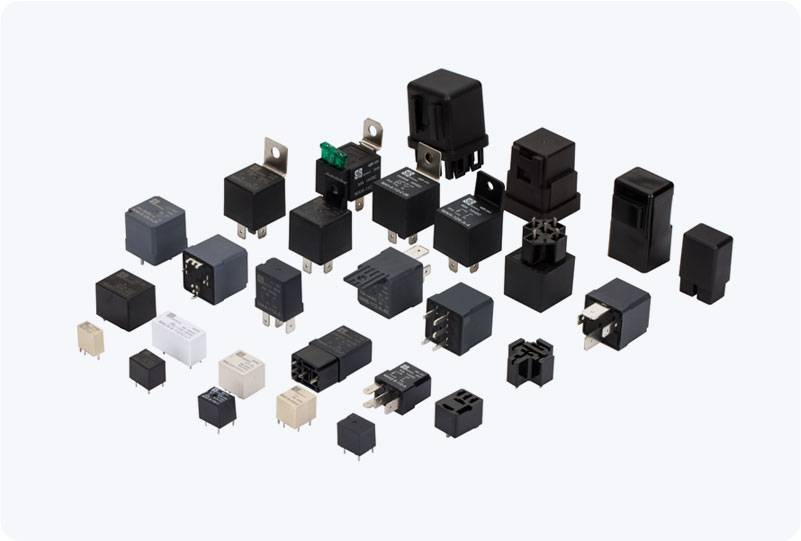
What is a PCB Electromagnetic Relay? A PCB electromagnetic relay is a switch that uses an electromagnet to control the opening and closing of contacts. The core principle behind its operation is electromagnetism. When an electrical current passes through the relay’s coil, it generates a magnetic field that activates the relay’s movable components, such as the armature, causing the switch to open or close the contacts. Typically, a PCB electromagnetic relay consists of several key components: Electromagnetic Coil: This is the heart of the relay, where an electric current is passed to generate the magnetic field that activates the relay.