In today’s rapidly advancing technological landscape, the importance of safety and reliability in electrical components cannot be overstated. Among these components, relays play a critical role in controlling electrical circuits and managing power distribution. When it comes to ensuring that these components meet stringent safety standards, UL Certified Relays stand out as a benchmark of quality and security. This article delves into what UL Certified Relays are, the significance of UL certification, and their applications in various industries.
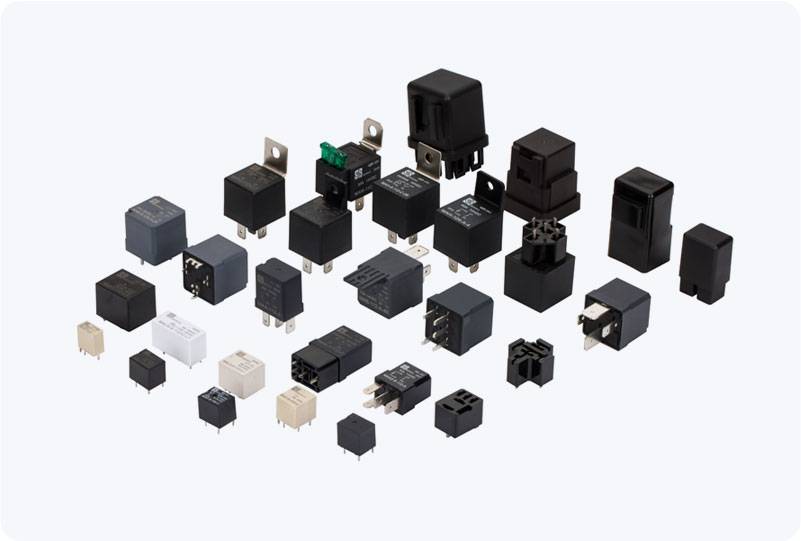
What is a Relay? A relay is an electromechanical switch that operates when an electric current activates its coil, which in turn closes or opens its contacts. This allows relays to control higher voltage circuits with a low voltage and current. Relays are widely used in automotive, industrial, and consumer electronics, providing essential functions such as motor control, lighting control, and circuit protection. The Role of UL Certification Underwriters Laboratories (UL) is a globally recognized independent safety science organization. Founded in 1894, UL has dedicated decades to developing and enforcing safety standards for various products. UL certification signifies that a product has been rigorously tested and meets specific safety and performance standards mandated by UL. For relays, this means that the devices have undergone extensive testing for electrical, mechanical, and thermal performance, ensuring reliability and safety under various operating conditions.