In the realm of electrical engineering and automation, relays serve as fundamental components that enable devices to control circuits and manage power distribution. A relay is an electromechanical switch that opens or closes a circuit based on an external signal. The importance of understanding different types of relays and their applications cannot be overstated, especially as industries continue to rely on automation and smart technologies. This article provides a comprehensive comparison of various types of relays, focusing on their functionalities, advantages, and typical use cases.
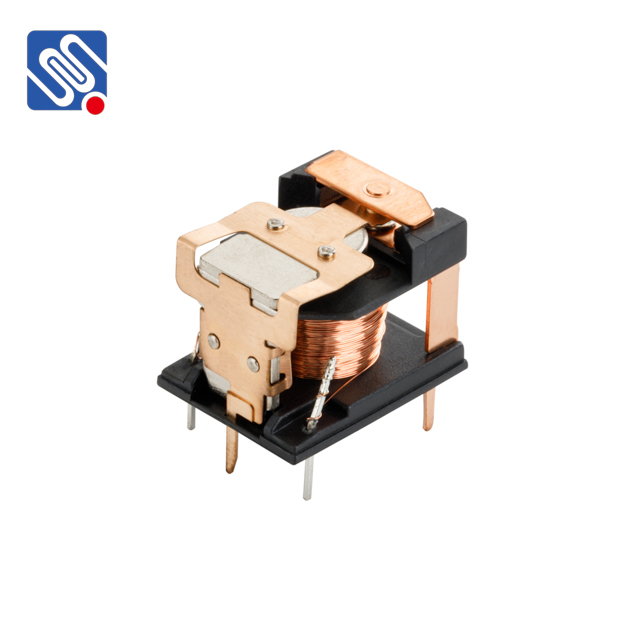
To begin with, relays can primarily be categorized into electromagnetic relays (EMRs), solid-state relays (SSRs), and reed relays. Each type operates on different principles and has distinct characteristics, making them suitable for various applications. Electromechanical Relays (EMRs) Electromechanical relays are the most conventional type. They consist of an electromagnetic coil that generates a magnetic field when current flows through it. This magnetic field attracts a movable armature, which either opens or closes the contacts, thus controlling the electrical circuit. EMRs are known for their robustness and ability to handle high power loads, making them ideal for applications in industrial automation, motor control, and power distribution.