A 12V 30A relay is an essential component in many electrical and electronic systems. It plays a crucial role in controlling high-power devices through low-power control signals. The 12V 30A relay is particularly beneficial in automotive, home automation, industrial control systems, and a variety of other applications that require the switching of large currents. In this article, we will explore the functionality, advantages, and common applications of the 12V 30A relay.
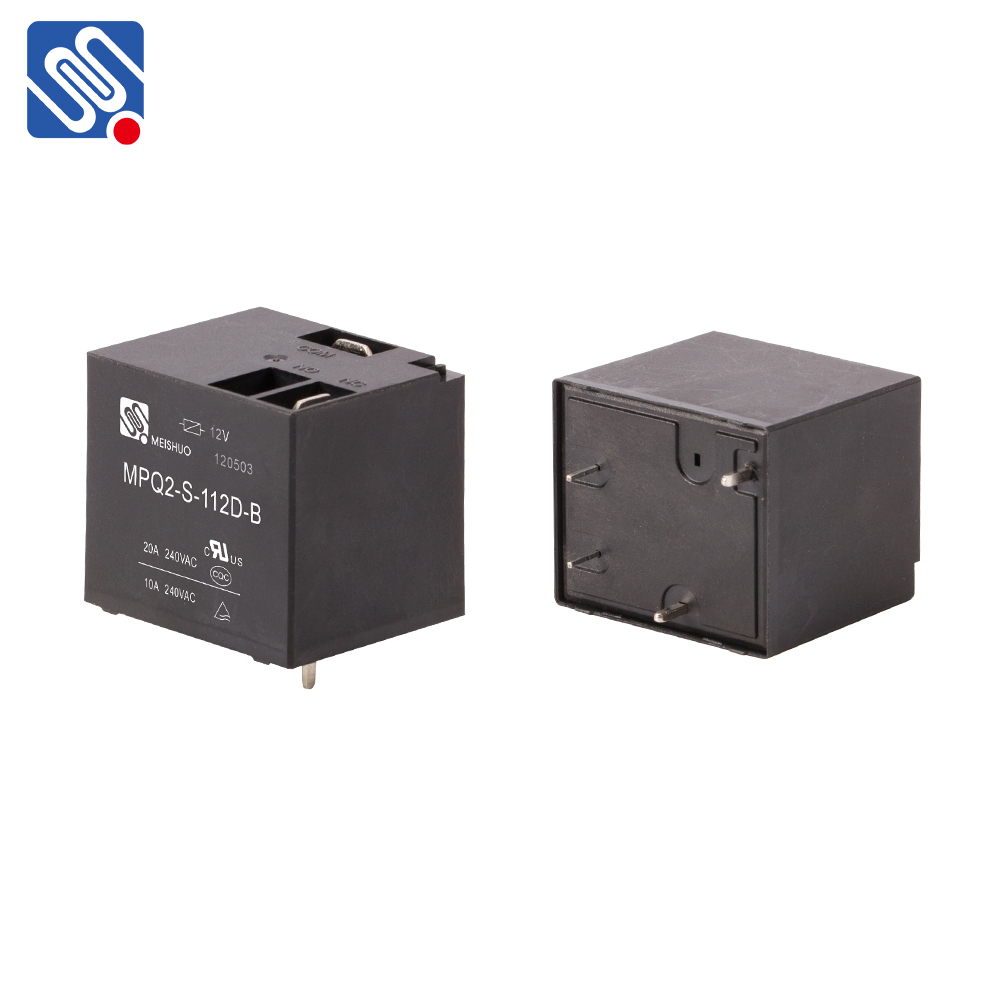
What is a 12V 30A Relay? A relay is an electromechanical device that uses an electromagnet to open or close a set of contacts, enabling or disabling the flow of electrical current. The 12V 30A relay is designed to operate on a 12V DC (direct current) input and can switch loads that require up to 30A of current. Its key function is to allow a small current to control a larger current, providing a safe and efficient way to handle high-power electrical devices. How Does a 12V 30A Relay Work? The working principle of a 12V 30A relay is based on electromagnetic induction. When a 12V DC voltage is applied to the coil of the relay, it generates a magnetic field. This magnetic field attracts the armature inside the relay, causing the switch contacts to either close (in the case of a Normally Open or NO relay) or open (in the case of a Normally Closed or NC relay). The switching of the contacts either completes or interrupts the circuit, allowing the controlled device to turn on or off.