The 30A Power Relay is an essential component in modern electrical and electronic systems, serving as a reliable switch for controlling high-current devices. Its ability to handle up to 30 amperes of current makes it suitable for a wide range of applications, from automotive circuits to industrial machinery. By isolating the control circuit from the high-power load, this relay ensures both safety and efficiency, making it a cornerstone in many technological designs.
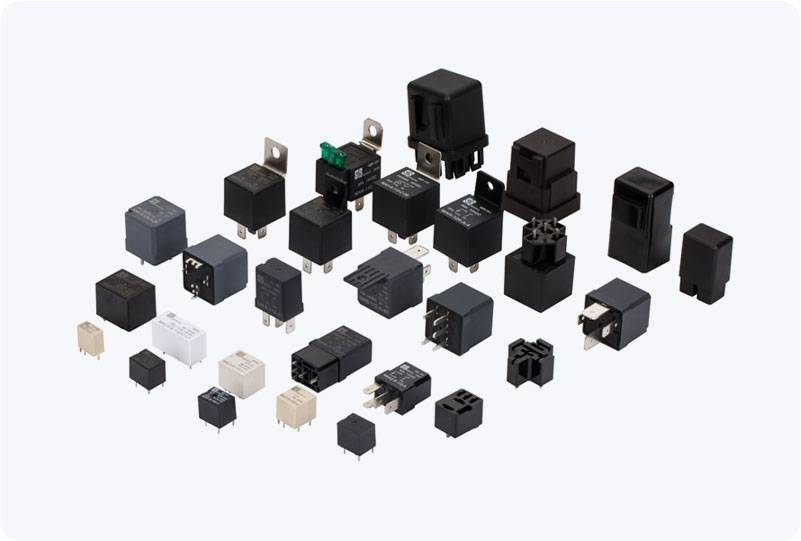
At its core, a 30A Power Relay operates by using an electromagnet to mechanically open or close contacts. When a small control voltage is applied to the relay coil, the resulting magnetic field pulls the internal switch into position, allowing current to flow through the load circuit. This mechanism provides electrical isolation between the control and power circuits, which is critical in protecting sensitive electronic components from high-current damage. Unlike simple switches, relays can manage larger currents without direct manual intervention, enhancing both convenience and safety. One of the most common applications of the 30A Power Relay is in the automotive industry. Modern vehicles rely on numerous high-power devices such as headlights, cooling fans, fuel pumps, and air conditioning systems. Directly connecting these devices to the control switch could lead to excessive wear, overheating, or even electrical fires due to the high current involved. By using a 30A relay, the control switch only needs to handle a small current, while the relay manages the heavy load. This not only extends the lifespan of the vehicle’s electrical system but also improves overall reliability and safety.