In the high-risk environment of construction and industrial settings, safety is paramount. Among the critical safety measures is the use of lockout/tagout systems, particularly in scaffolding work, where the risk of accidents can be substantial. CE Scaffolding Lockout Tags, designed to indicate when equipment is locked out and should not be used, play a crucial role in protecting workers. These tags ensure that only authorized personnel can interact with scaffolding systems, preventing accidents caused by unauthorized operation or accidental engagement. This article explores the importance of these tags, the role of manufacturers, and the standards that make CE Scaffolding Lockout Tags indispensable in construction safety.
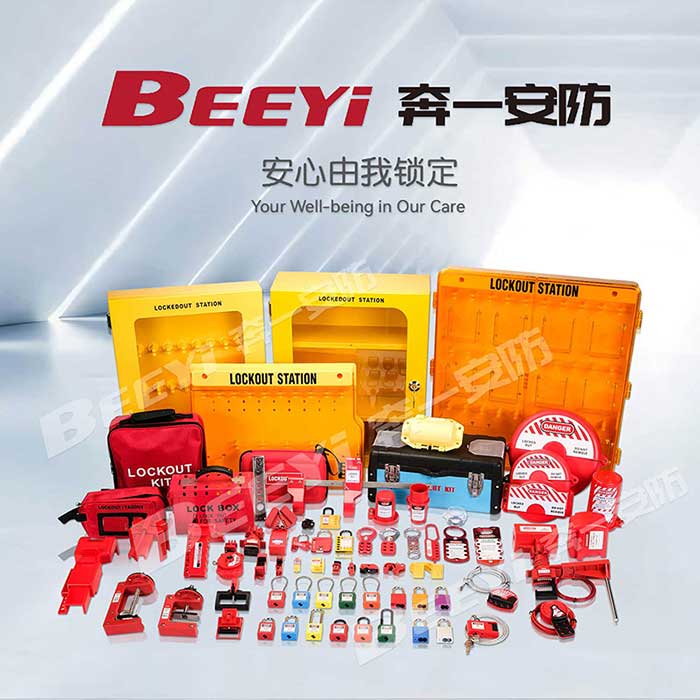
The Role of CE Scaffolding Lockout Tags CE Scaffolding Lockout Tags are part of a broader safety strategy that helps to manage hazardous energy during the maintenance or construction process. Lockout/tagout procedures are designed to ensure that machinery and equipment are properly shut off and cannot be operated until maintenance or repair work is complete. The tags serve as a visible reminder to workers that certain equipment should not be used while work is being conducted, and they are often used in conjunction with padlocks or other locking devices. In scaffolding, these lockout tags play an especially important role because scaffolds are often complex systems that involve multiple components and heavy machinery. They are used during the construction, maintenance, or dismantling of scaffolding systems to prevent the accidental activation of machinery or the release of hazardous energy that could lead to serious injuries or fatalities.