A Low Flow Solenoid Valve is an essential component in various systems that require precise control over low flow rates of fluids, be it liquids or gases. These valves are widely used in industries ranging from healthcare and water treatment to manufacturing and automation. The main purpose of these valves is to regulate fluid flow with accuracy, making them crucial in applications where even a slight deviation in flow can lead to system inefficiencies or malfunctions. In this article, we will explore the characteristics, functionality, and applications of low flow solenoid valves, along with their benefits.
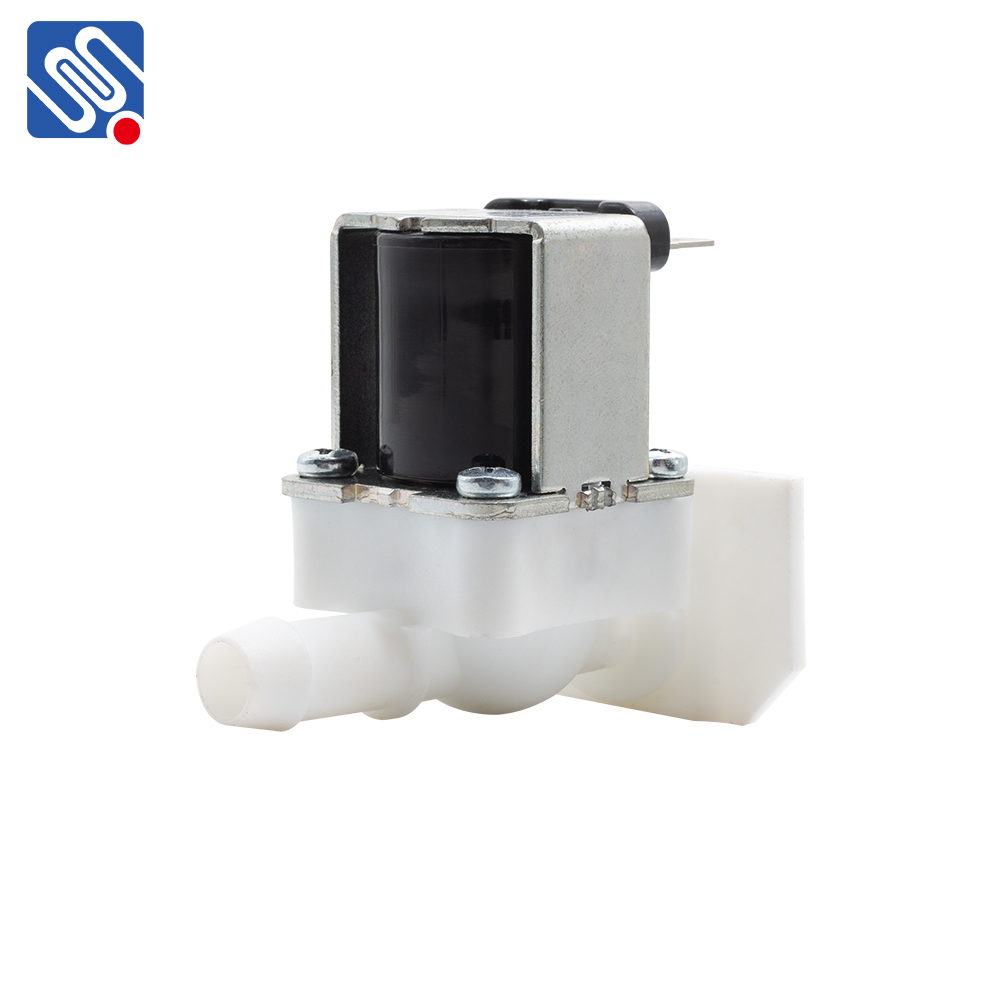
What is a Low Flow Solenoid Valve? A solenoid valve is an electromechanically operated valve that controls the flow of fluids within a system. A low flow solenoid valve is specifically designed to handle small flow rates, typically in the range of milliliters to liters per minute, depending on the application. These valves are used when precise flow regulation is required, and they can be found in various applications where higher flow valves would be inefficient or impossible to control. The operation of a low flow solenoid valve involves an electromagnetic coil that, when energized, activates a plunger to either open or close the valve, controlling the flow of fluid through the valve body. These valves are compact and designed to work efficiently at low flow rates, where maintaining a stable and consistent flow is essential.