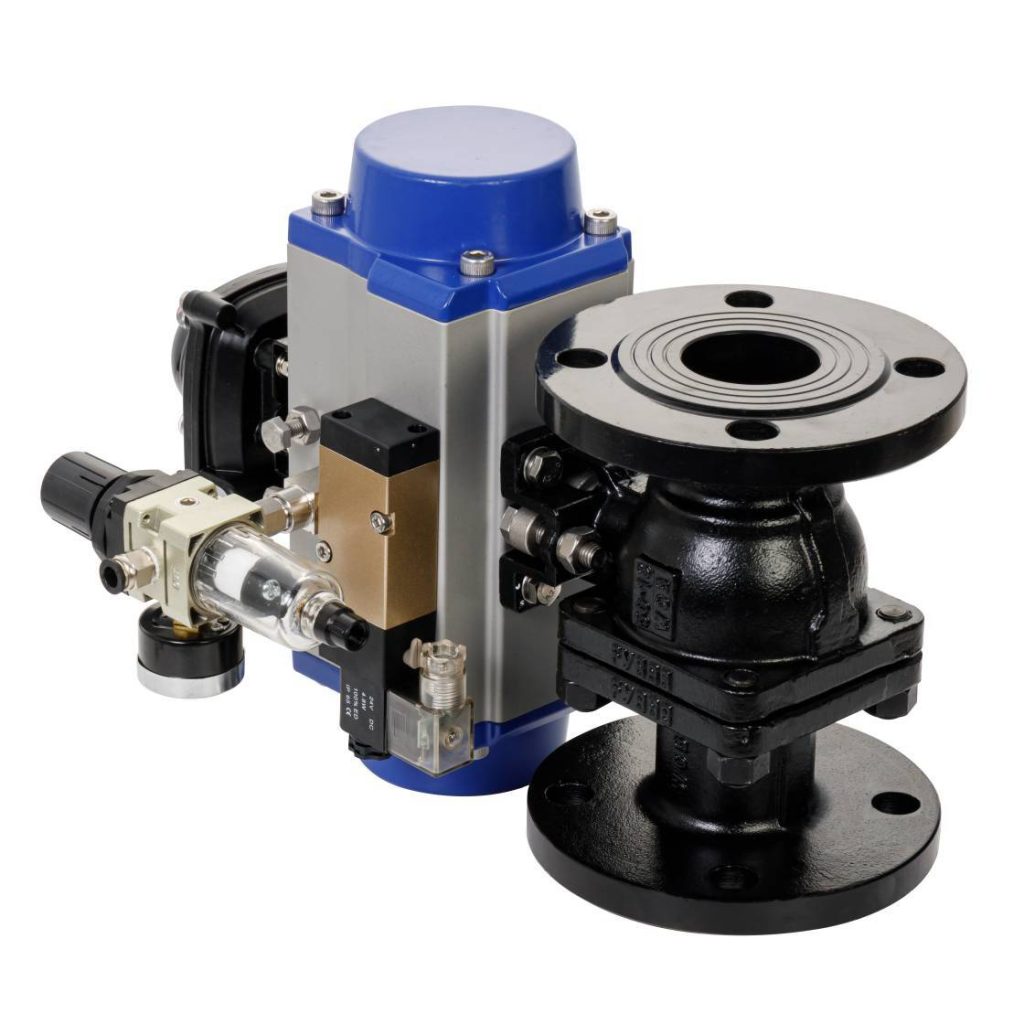
Hydrogen energy is quickly becoming one of the most promising alternatives in the global effort to transition to cleaner, more sustainable energy sources. As hydrogen fuel gains traction for use in various industries—from transportation to power generation—innovative technologies are being developed to enhance the efficiency and safety of hydrogen systems. One such technology is the hydrogen energy pneumatic ball valve, an essential component for controlling the flow of hydrogen in various applications. This article will explore the role of pneumatic ball valves in hydrogen energy systems, their functionality, and why they are critical in the safe and effective use of hydrogen as a clean energy source.
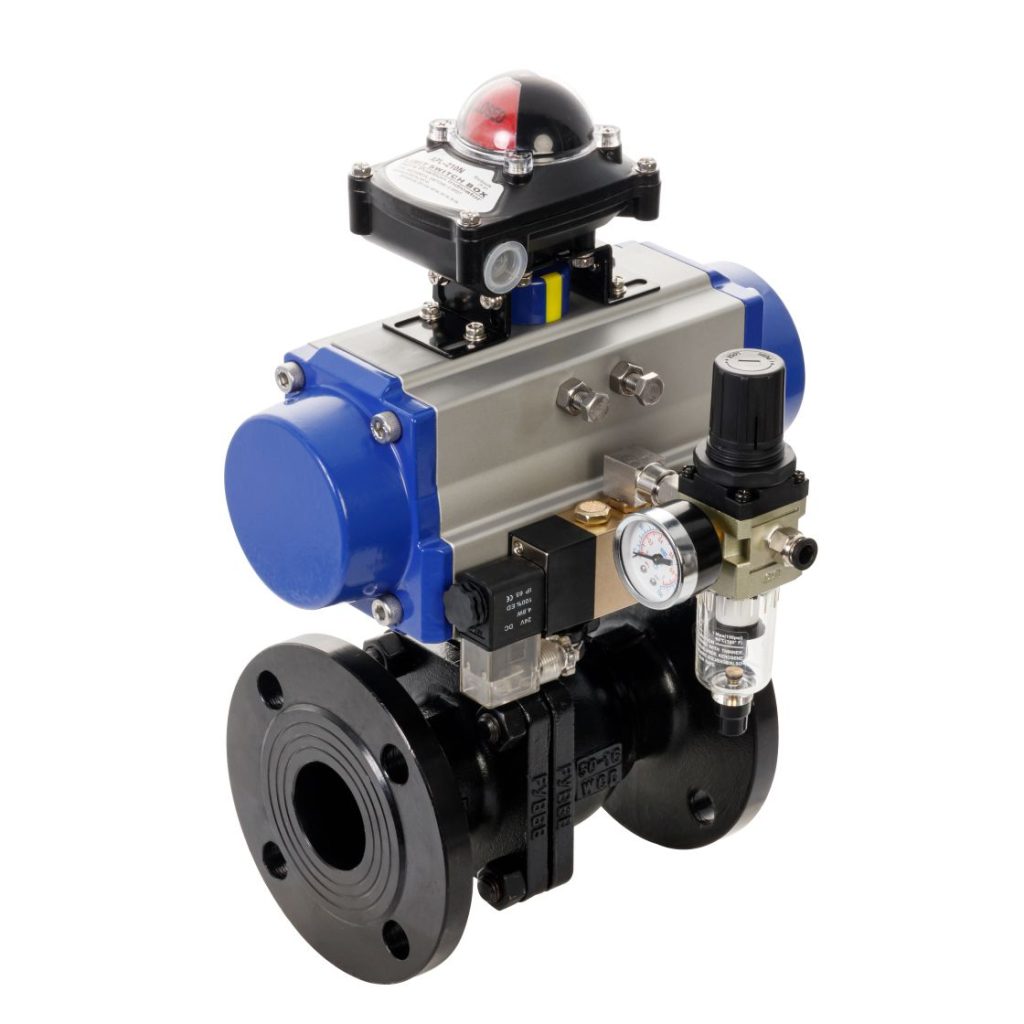
Understanding Pneumatic Ball Valves
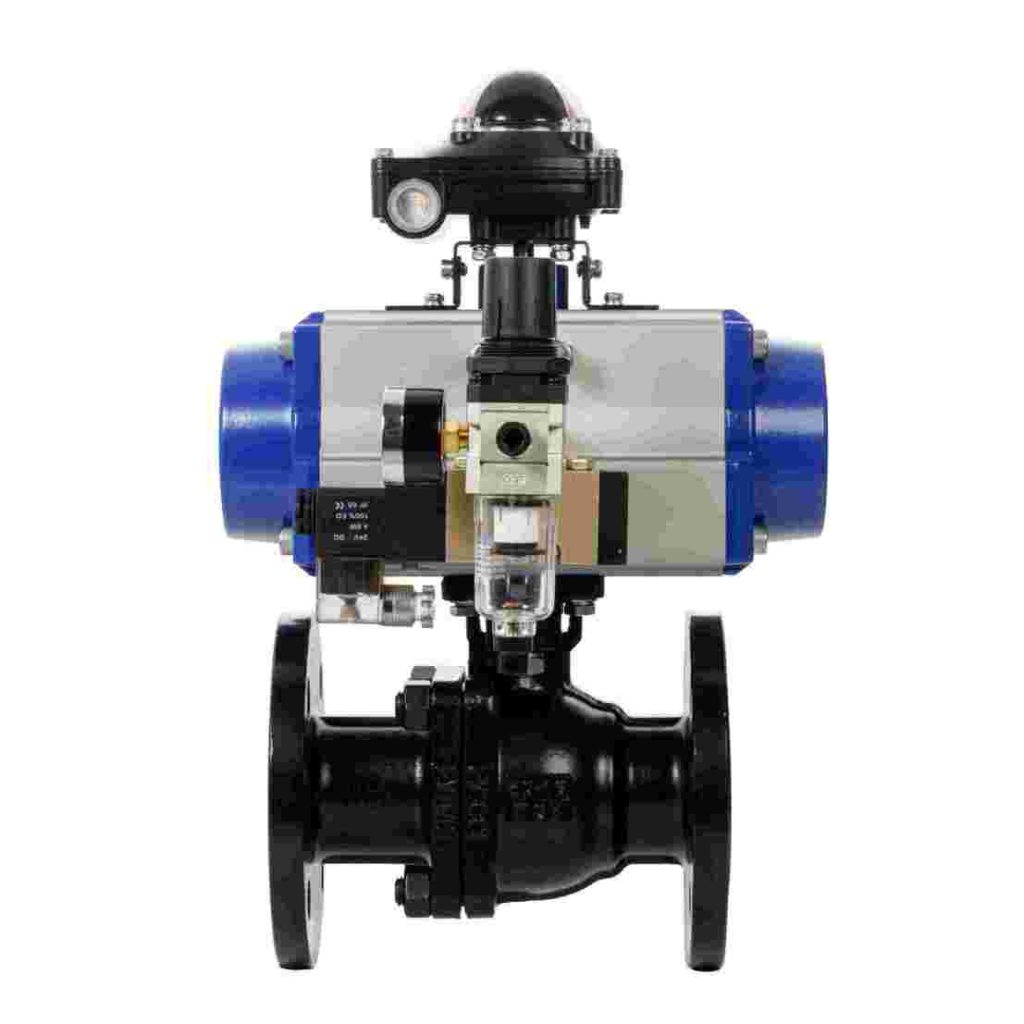
A pneumatic ball valve is a type of valve that uses compressed air to control the opening and closing of the valve. The valve consists of a ball with a hole in the center, which rotates within the valve body to allow or block the flow of a fluid, gas, or steam. Pneumatic ball valves are known for their quick, reliable, and precise operation, making them ideal for a wide range of industrial applications, including those that handle high-pressure gases like hydrogen. Hydrogen energy systems often involve high-pressure storage, transportation, and utilization, making it essential to have precise control over the gas flow. Pneumatic ball valves offer a reliable solution by enabling rapid and accurate flow regulation, ensuring that hydrogen is delivered safely and efficiently where it is needed.