Relays are fundamental components in numerous electrical and electronic applications, acting as switches that can control the flow of current in circuits. One of the critical aspects that engineers and designers must consider when selecting a relay is its voltage rating. The relay voltage rating plays a pivotal role in determining the reliability and safety of the device in various applications. This article delves into the crucial elements of relay voltage ratings, their significance, and how to choose the right relay for your needs.
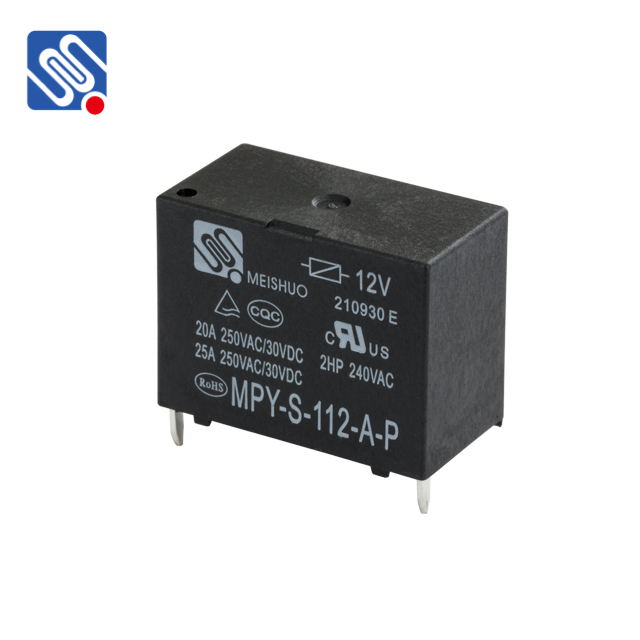
What is Relay Voltage Rating? The relay voltage rating refers to the voltage levels at which a relay operates effectively without sustaining damage. It typically encompasses two primary parameters: the coil voltage and the contact voltage. Coil Voltage Rating: This rating specifies the voltage required to energize the relay’s coil, allowing the switch to actuate. Relays are available for various coil voltages, including standard values like 5V, 12V, 24V, 48V, 110V, and 220V. The coil voltage must align with the power supply used in the circuit. If the voltage is too low, the relay will not activate; if it is too high, it may result in overheating or damage to the coil.