In the world of electrical engineering and automation, the miniature relay stands out as a compact and effective solution for controlling electrical circuits. These small devices serve a crucial role in many applications, enabling the automation of processes and the management of high-power equipment through low-power signals. This article delves into the structure, functionality, applications, advantages, and considerations of miniature relays, providing a comprehensive understanding of this essential component.
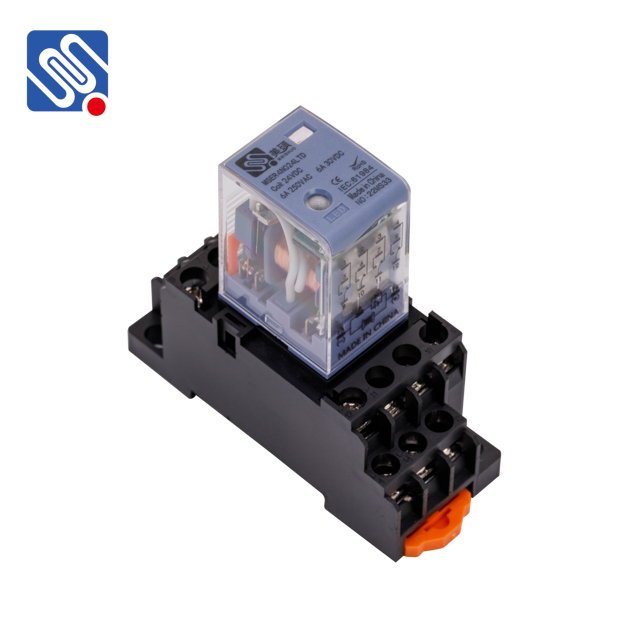
Structure and Functionality A miniature relay typically consists of several key components: a coil, a set of contacts, a movable armature, and a spring. The basic principle of operation is electromagnetic induction. When an electric current flows through the coil, it generates a magnetic field that attracts the armature, changing the state of the relay’s contacts. This action allows the relay to either close (make) or open (break) an electrical circuit, depending on its design. Miniature relays come in different configurations, most commonly: Single Pole Single Throw (SPST): Controls one circuit, providing a simple on/off function.