Wireless relays have become an essential component in the world of communication systems, offering an efficient way to enhance signal strength, extend coverage, and improve overall connectivity. As wireless technology continues to evolve, ensuring seamless and reliable communication, especially in environments with large areas or barriers, has become a critical challenge. Wireless relays address these issues by effectively amplifying and retransmitting signals, making them indispensable for modern networks.
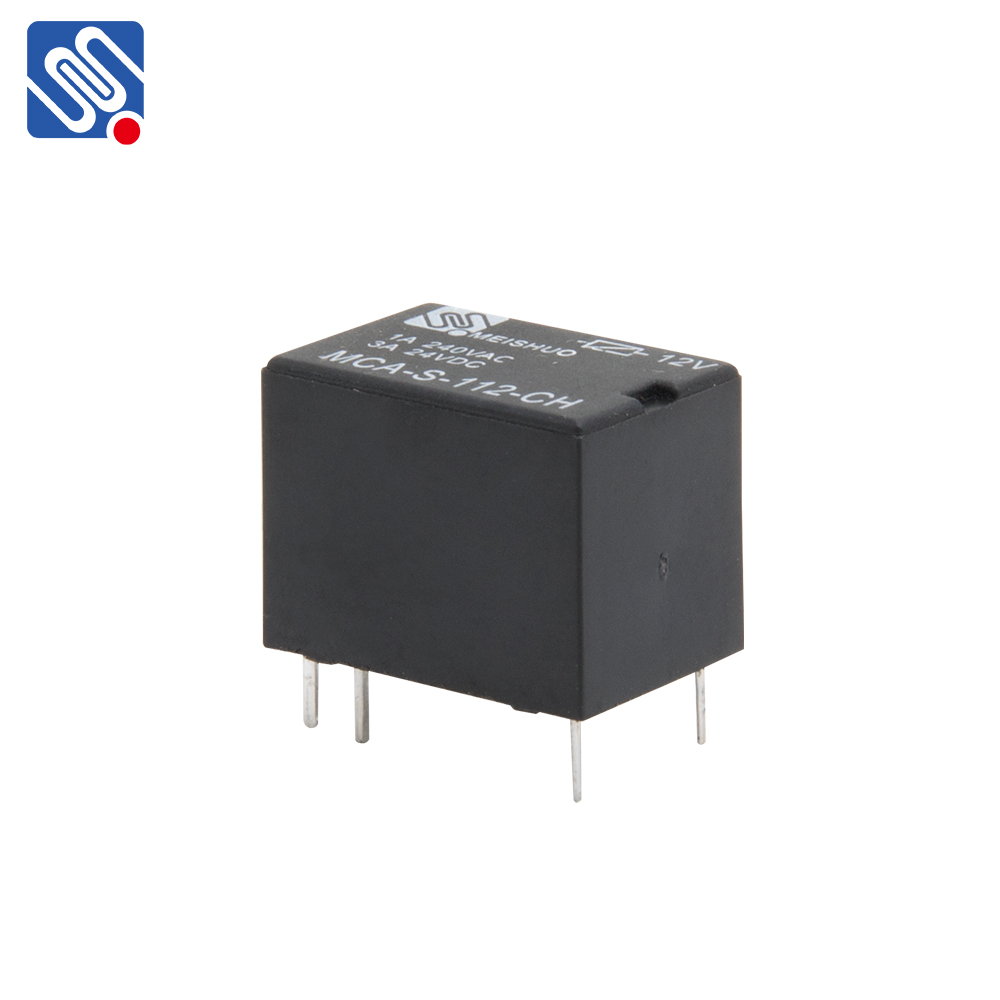
Understanding Wireless Relay A wireless relay is a device used to extend the range of a wireless communication signal, be it for Wi-Fi networks, cellular networks, or other radio-based communications. The core function of a wireless relay is to receive a signal from a source, amplify or process it, and then retransmit the signal to areas where the original signal may be weak or unavailable. The result is an expanded coverage area and improved signal quality in hard-to-reach spots. Wireless relays are particularly useful in environments where the signal strength naturally weakens due to distance, obstructions, or interference. These areas, commonly referred to as “dead zones,” can disrupt smooth communication and reduce the effectiveness of wireless networks. By deploying wireless relays, users can mitigate such challenges and create a more stable and reliable connection across a wider area.