Relays are essential electromechanical devices widely used in various applications, including industrial automation, automotive electronics, and telecommunications. They function as switches that open or close circuits when an electrical signal is applied. To ensure proper functioning and reliability of relays in specific environments, it is vital to understand their parameters. This article delves into the critical relay parameters necessary for selecting the right relay for effective applications.
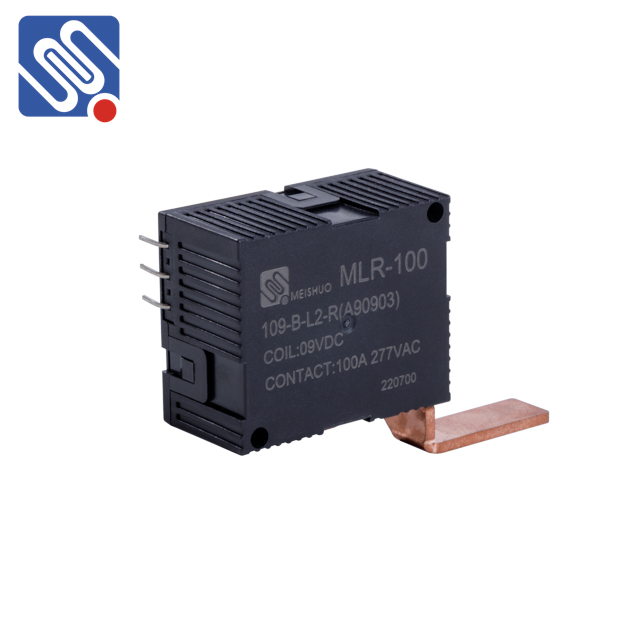
Rated Voltage The rated voltage of a relay refers to the voltage level at which its coil operates optimally. It is crucial to match the relay’s rated voltage with the control circuit’s voltage to avoid overheating or underperformance. For example, a 12V relay should be supplied with a nominal voltage of 12V to ensure that it functions correctly. Operating a relay at a voltage higher than its rated value may lead to premature failure. Rated Current Rated current indicates the maximum electrical current that the relay’s contacts can safely carry when closed. It is typically expressed in amperes (A). Understanding this parameter is essential to prevent the relay from overheating or sustaining damage. For instance, if a relay is rated for 10A, it should not be used to switch a load drawing significantly more than this current.