In modern industrial environments, safety is not merely a priority—it is a necessity. Among the many safety tools designed to protect workers and ensure smooth operations, the valve lockout device stands out as a critical component in hazard prevention systems. Widely used across industries such as oil and gas, chemical processing, manufacturing, and water treatment, this device plays a vital role in controlling energy flow and preventing accidental releases.
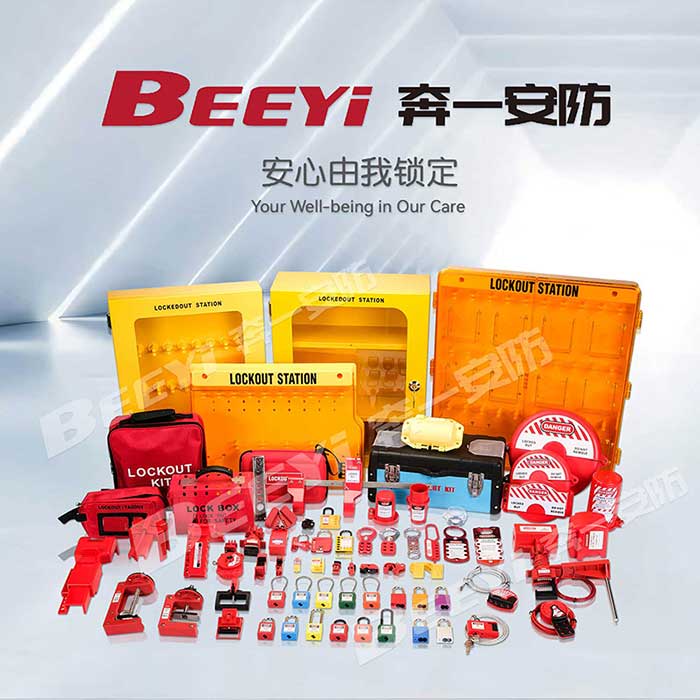
A valve lockout device is specifically designed to secure valves in a fixed position, typically the “off” or closed state, to prevent unauthorized or accidental operation. During maintenance or repair work, machinery and pipelines often carry hazardous substances such as steam, gas, or chemicals. If a valve is mistakenly opened, it can lead to severe injuries, equipment damage, or even fatalities. By physically blocking the valve handle or wheel, the lockout device ensures that the system remains safely isolated. One of the key principles behind the use of valve lockout devices is the Lockout/Tagout (LOTO) procedure. This safety protocol requires that all energy sources be isolated and rendered inoperative before any servicing begins. The valve lockout device is an essential tool in this process, often used in conjunction with padlocks and warning tags. Each worker involved in maintenance can attach their personal lock, ensuring that the valve cannot be reopened until all locks are removed, thereby providing an additional layer of accountability and protection.