A Certified Water Solenoid Valve is an essential component in various industrial and residential water systems, offering automated control of water flow through the use of electromagnetic forces. These valves play a critical role in applications ranging from domestic water dispensers to large-scale industrial processes, and their certification ensures that they meet the required safety, performance, and environmental standards. In this article, we will explore the significance of certified water solenoid valves, their working principles, applications, and the factors that make certification an important aspect of their use.
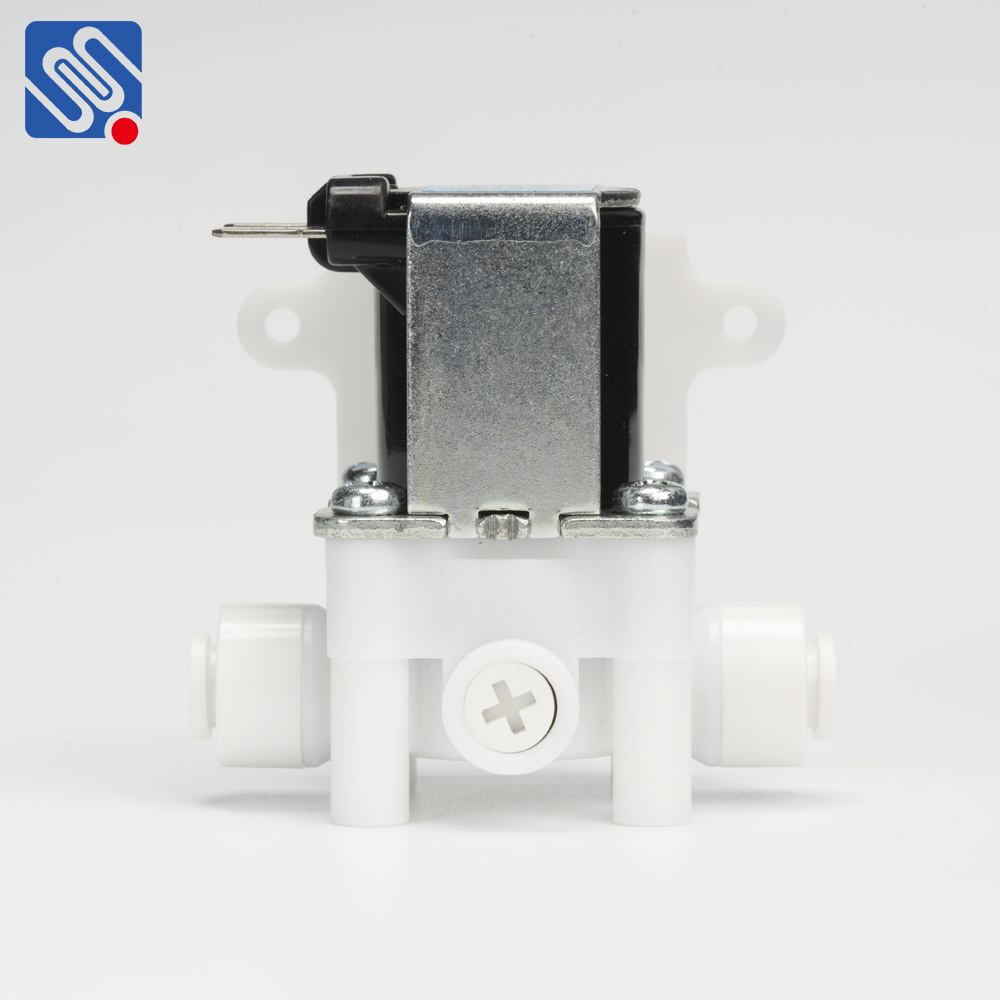
What is a Certified Water Solenoid Valve? A water solenoid valve is an electrically controlled valve that operates using an electromagnetic solenoid to regulate the flow of water. When electrical current passes through the solenoid coil, it creates a magnetic field that either opens or closes the valve, allowing or stopping the flow of water. These valves are typically used in automated systems where precise control of water flow is necessary. The term certified refers to valves that have undergone rigorous testing and have received approval from relevant authorities to confirm their safety, quality, and reliability. Certification ensures that these valves comply with established industry standards, such as CE, UL, ISO, or NSF, which guarantees that they are suitable for a wide range of applications, from residential use to demanding industrial environments.