Latching relays, often referred to as memory relays, are essential components in electrical systems, providing a unique ability to maintain their state after being triggered. Unlike regular relays, which return to their default state once power is removed, a latching relay retains its last position without the need for continuous power supply. This feature makes them highly efficient and reliable in various applications, from industrial automation to consumer electronics.
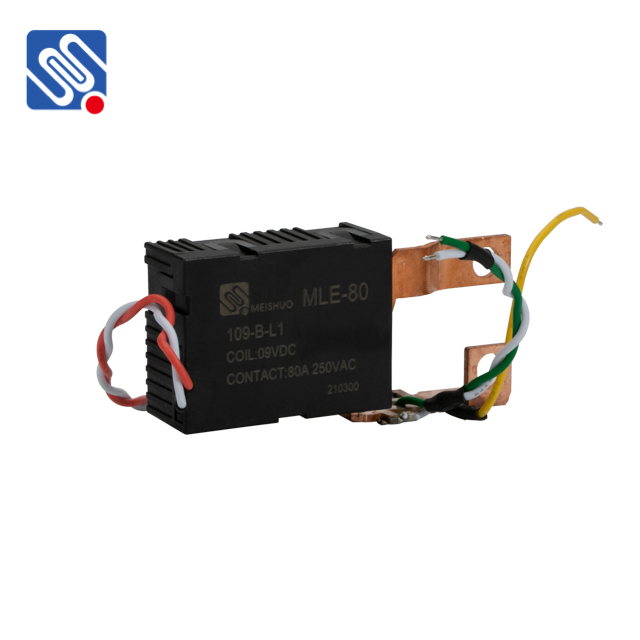
What is a Latching Relay? A latching relay is an electromechanical switch designed to “latch” or “lock” into a position once activated and maintain that position even when the power supply is turned off. It requires a specific pulse of current to either set or reset the relay, switching it between two stable states—ON and OFF. Once the relay is switched, it stays in that state until it is triggered again by a control pulse. The primary difference between a regular relay and a latching relay lies in how they operate. In a standard relay, when the electrical current is removed, the contacts return to their default state. However, a latching relay’s design includes a mechanism—either mechanical or magnetic—that holds the relay in place even after the power is turned off.