Plastic water flow control valves are essential components in various fluid management systems, designed to regulate the flow of water in residential, commercial, and industrial settings. These valves are engineered to provide precise control over water flow, ensuring that systems operate efficiently and effectively. This article delves into the design, functionality, applications, advantages, and maintenance practices associated with plastic water flow control valves.
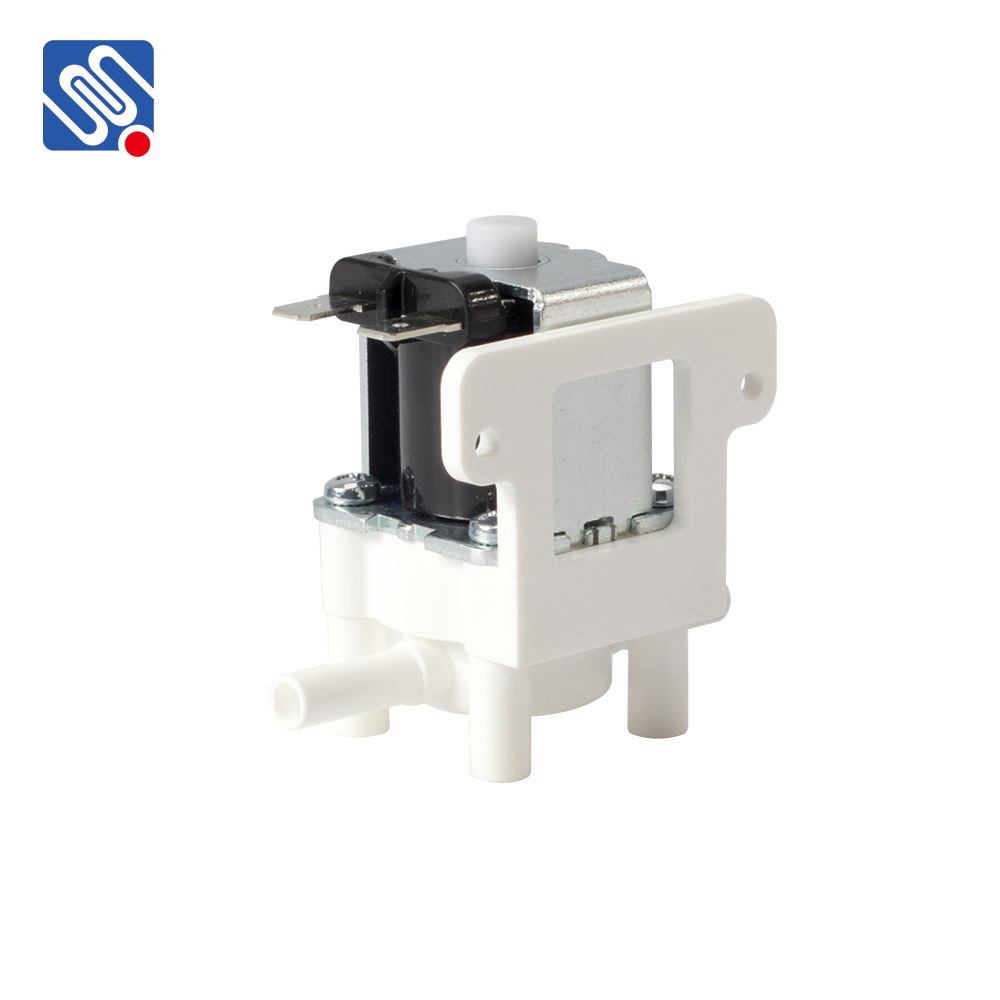
Design and Construction Plastic water flow control valves are typically constructed from materials such as polypropylene (PP), polyvinyl chloride (PVC), and polyethylene (PE). These materials are chosen for their durability, corrosion resistance, and lightweight properties. The construction of these valves usually includes a valve body, a closing mechanism (such as a disc or ball), an actuator (manual or automated), and sealing components to prevent leaks. The design of the valve can vary significantly depending on its intended application. Manual valves often feature a simple rotary knob or lever that allows users to adjust the flow rate with ease. In contrast, more advanced models may incorporate electric actuators and sensors, enabling automated control in sophisticated systems.