In today’s rapidly advancing electrical and automation technologies, relays play a pivotal role in managing the control of high-power devices. Among these, the 220VAC power relay stands out as a fundamental component used extensively in various applications. This article aims to explore the working principles, construction, applications, and selection criteria of the 220VAC power relay, highlighting its significance in both household and industrial settings.
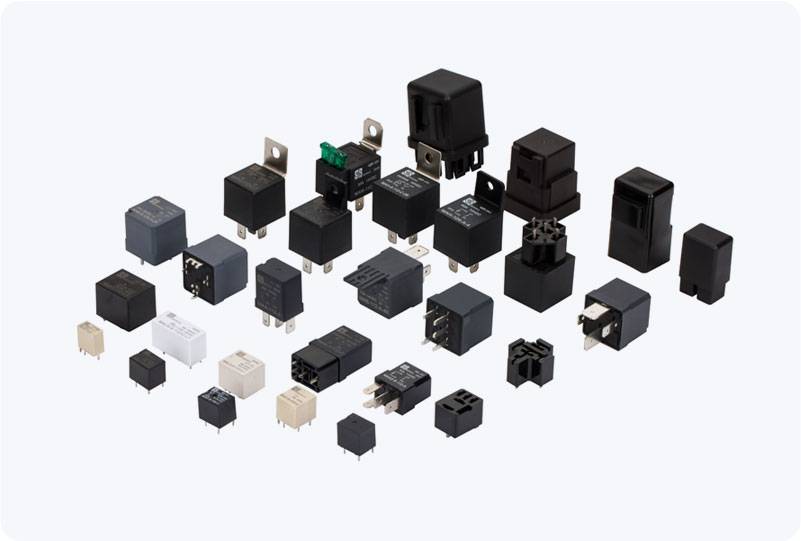
What is a 220VAC Power Relay? A 220VAC power relay is an electromechanical device that allows the control of a high-voltage (220 volts alternating current) circuit using a low-voltage signal. Essentially, it acts as a switch that can open or close electrical circuits when powered, enabling the operation of appliances and machines that require higher voltages. Relays are crucial in applications where direct control is not suitable due to safety concerns or where multiple circuits need to be controlled by a single switch. Working Principle The primary operating mechanism of a 220VAC power relay is electromagnetic induction. Within the relay, there is a coil of wire that, when energized with a control signal, generates a magnetic field. This magnetic field activates an armature—essentially a movable lever—that either opens or closes the relay contacts.