In today’s technologically driven world, relays play a crucial role in the efficient functioning of various electronic and electrical systems. Among the various types of relays, the 12V 30A relay stands out as a versatile and widely-used device, particularly in automotive applications, home appliances, and industrial automation. Understanding its operation, applications, and critical considerations will empower engineers, technicians, and hobbyists alike to leverage its capabilities effectively.
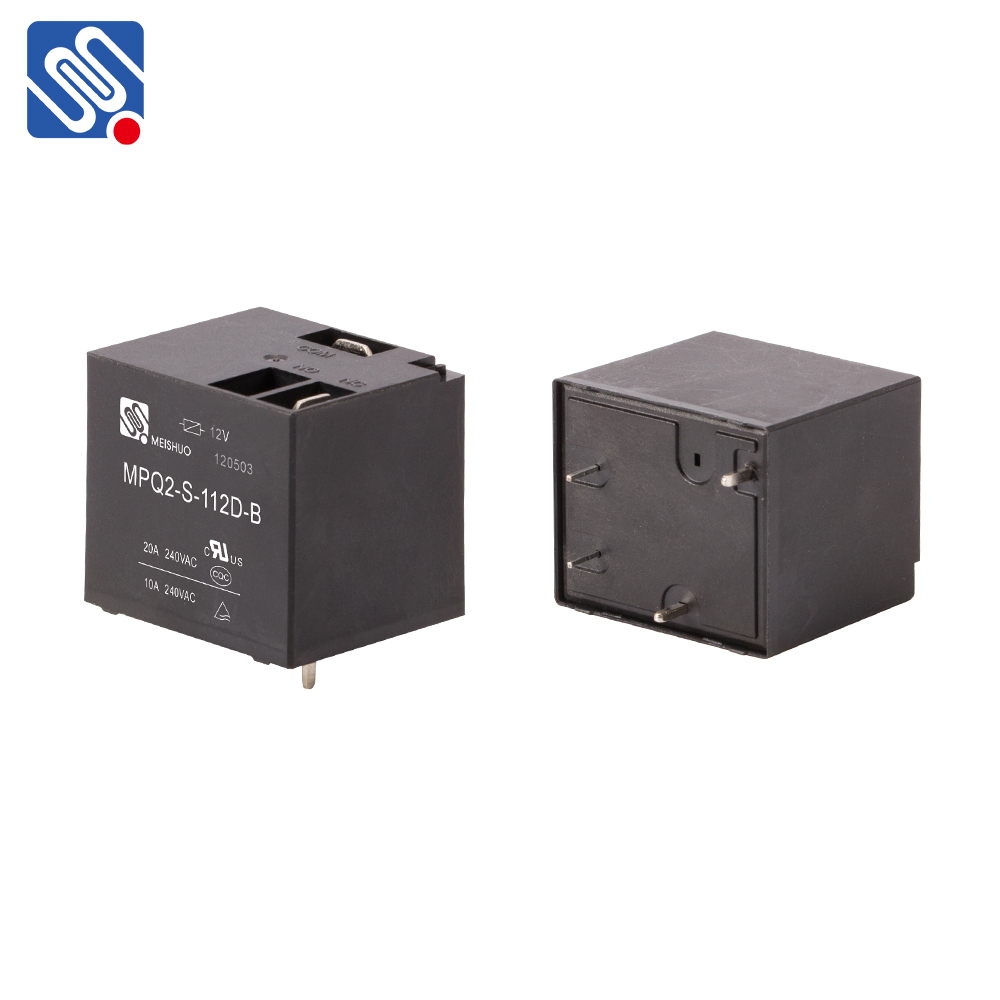
What is a 12V 30A Relay? A relay is an electromechanical switch that allows one circuit to control another circuit, with the operating voltage and current of the control circuit significantly lower than the load circuit. The 12V 30A relay specifically operates with a control voltage of 12 volts and can switch loads of up to 30 amperes. This makes it suitable for handling substantial electrical demands without direct manual intervention. Components of a 12V 30A Relay A 12V 30A relay typically consists of several key components: Coil: This is the electromagnetic part of the relay that, when energized by a DC voltage of 12V, creates a magnetic field.