An AC Motor Relay is an essential component in many industrial and household applications, ensuring the efficient operation and protection of AC motors. This device functions as an electrical switch that controls the operation of motors, offering several features such as starting and stopping the motor, overcurrent protection, and circuit management. In this article, we will delve into the role of the AC Motor Relay, its functions, applications, and the benefits it brings to motor control systems.
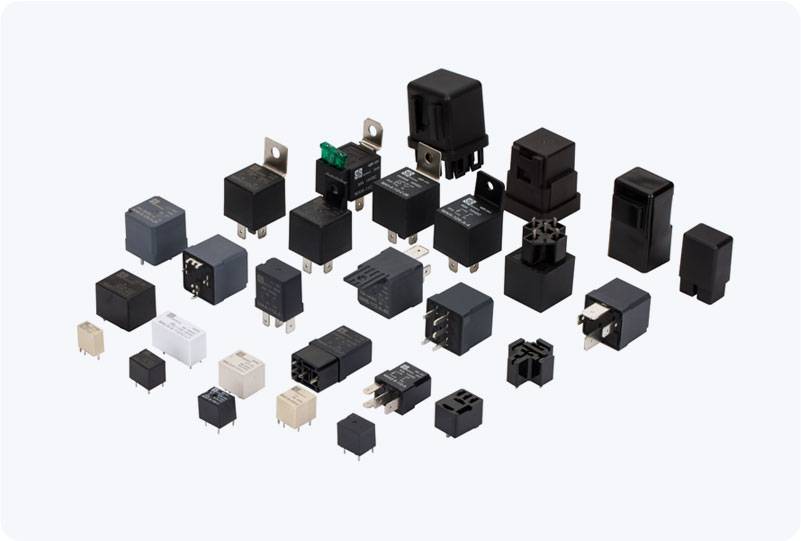
What is an AC Motor Relay? An AC Motor Relay is a device used to control and protect AC motors. It serves as a switch, automatically opening and closing electrical circuits to allow or prevent the flow of current to the motor. AC motors, due to their wide use in industrial machinery, home appliances, HVAC systems, and many other applications, require an efficient system for protection and operation control. The relay plays a crucial role in achieving this by managing the motor’s electrical circuit. Main Functions of AC Motor Relays Motor Start and Stop Control: The primary function of an AC Motor Relay is to control the start and stop of an AC motor. When a control signal is sent to the relay, it either closes or opens the circuit, depending on whether the motor needs to start or stop. In many motor control systems, the relay works in conjunction with a contactor to handle the power to the motor, enabling or disabling the motor’s operation.