Reverse osmosis (RO) is one of the most effective water filtration methods, widely used in both residential and industrial applications to purify water by removing impurities and contaminants. A crucial component in this process is the Reverse Osmosis Solenoid Valve, which controls the flow of water through the system, ensuring that the filtration process runs smoothly and efficiently. In this article, we will explore the function, types, and importance of this valve in the reverse osmosis system, shedding light on its role in water purification.
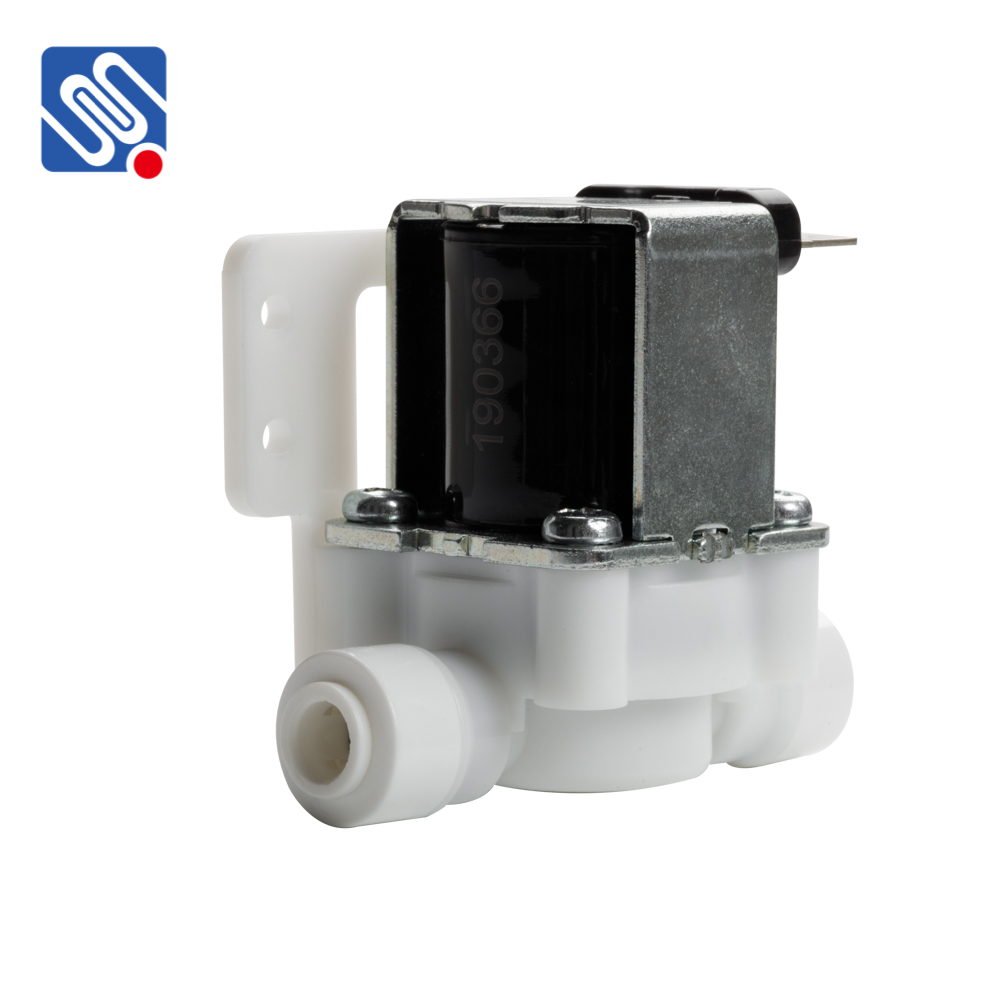
What is a Reverse Osmosis Solenoid Valve? A Reverse Osmosis Solenoid Valve is an electromechanical valve that regulates the water flow entering an RO system. It operates using an electromagnetic solenoid coil to open or close the valve, depending on the electrical signal it receives. The primary role of this valve is to allow or prevent the entry of water into the filtration system, depending on the operational needs of the system. How Does It Work? The solenoid valve operates by using an electromagnet to control the opening and closing of a valve. When an electrical current flows through the coil, it generates a magnetic field that either opens or closes the valve. In a reverse osmosis system, this action controls the flow of feed water into the system, ensuring that water only enters when necessary and stopping it when the system is not in use or when the water tank is full.