Relay circuit protection is a fundamental aspect of modern electrical engineering, ensuring that electrical systems operate safely and efficiently. As electrical circuits power everything from household appliances to industrial machinery, the risks of overloads, short circuits, and faults are ever-present. Without proper protection mechanisms, these risks could lead to significant damage, downtime, or even hazardous situations. Relay circuit protection is designed to mitigate these risks by detecting faults and automatically disconnecting parts of the system to prevent further harm.
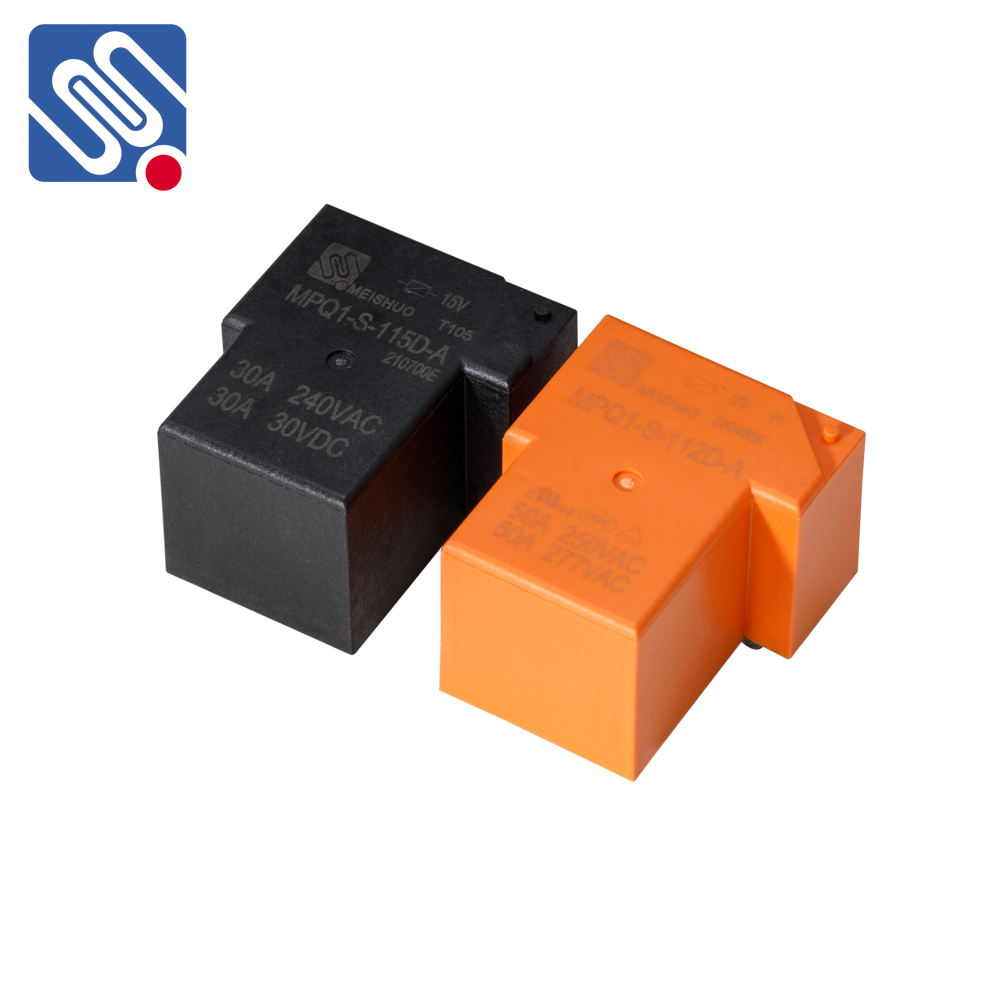
Understanding the Role of Relays in Circuit Protection At its core, a relay is an electrically operated switch used to open or close a circuit in response to a control signal. This allows for the safe operation of high-power systems using low-power control signals, making relays a vital component in protective circuits. In a protection system, relays monitor the electrical parameters of a circuit, such as voltage, current, or frequency. If these parameters fall outside predefined safe ranges, the relay will trigger protective measures, such as disconnecting a faulty component or isolating the entire system to avoid damage.