The Low Voltage Solenoid Valve is a vital component in a wide range of industries, from home automation to complex industrial systems. These valves, designed to operate with relatively low electrical voltages, have proven their worth in applications that require efficient, safe, and precise fluid control. With the growing need for automation and control in various sectors, understanding the functionality and advantages of low voltage solenoid valves becomes essential. In this article, we will delve into the working principles, features, applications, and benefits of these valves, shedding light on why they are integral to modern systems.
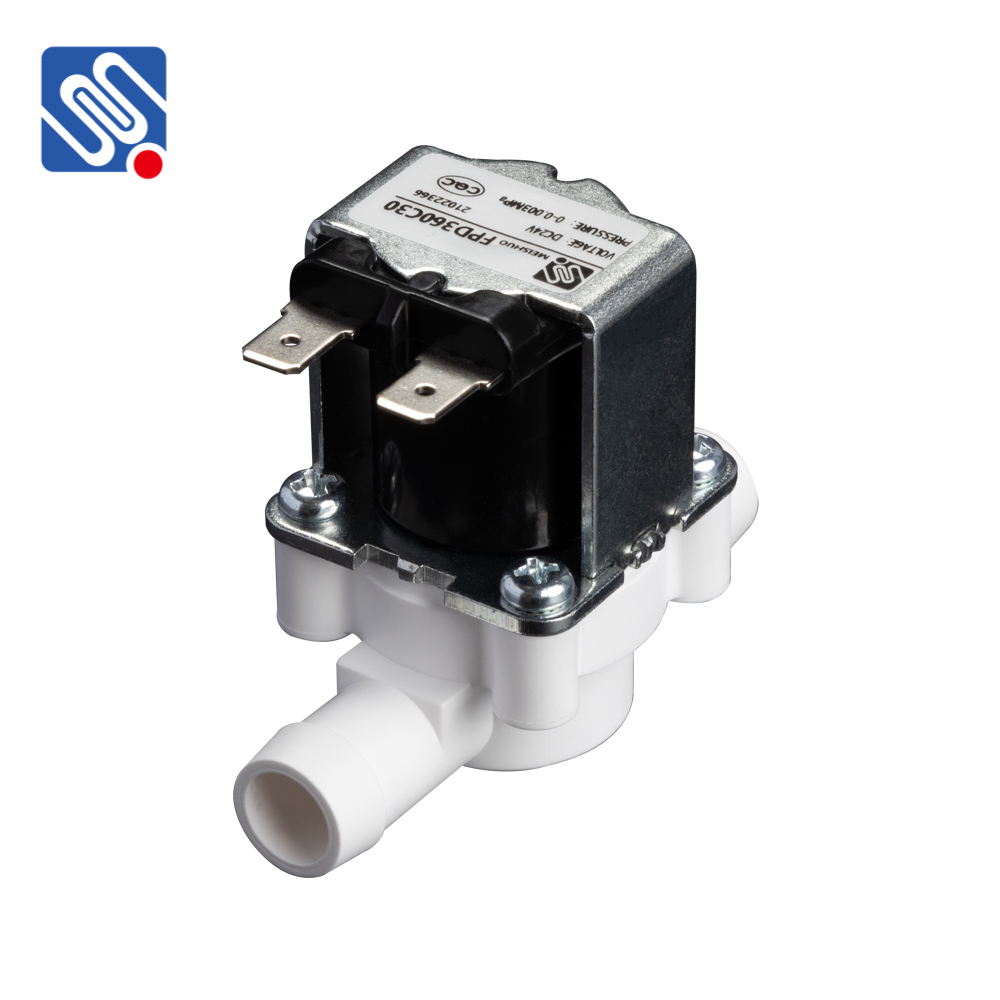
What is a Low Voltage Solenoid Valve? A low voltage solenoid valve is an electrically operated valve that uses a solenoid coil to control the flow of liquids or gases through a system. It operates with a low electrical voltage, typically ranging from 12V to 24V, making it an ideal choice for applications where safety and energy efficiency are critical. When current flows through the solenoid, it generates a magnetic field that moves the valve’s plunger or armature. This movement opens or closes the valve, allowing or stopping the flow of the fluid. These valves are a subset of solenoid valves, which are widely used in many industries for their ability to automate the control of various fluids. Low voltage solenoid valves, in particular, are favored in systems where safety, energy efficiency, and precise control are prioritized.