Relay type selection is a critical aspect of designing electrical and electronic systems that involve switching circuits. A relay is an electrical device used to control a high-power circuit with a low-power signal. It is essentially a switch activated by an electromagnet, which opens or closes contacts depending on the current supplied to its coil. In many applications, selecting the right relay type is essential for optimal performance, reliability, and safety. This article will guide you through the key factors to consider when choosing a relay type for your needs.
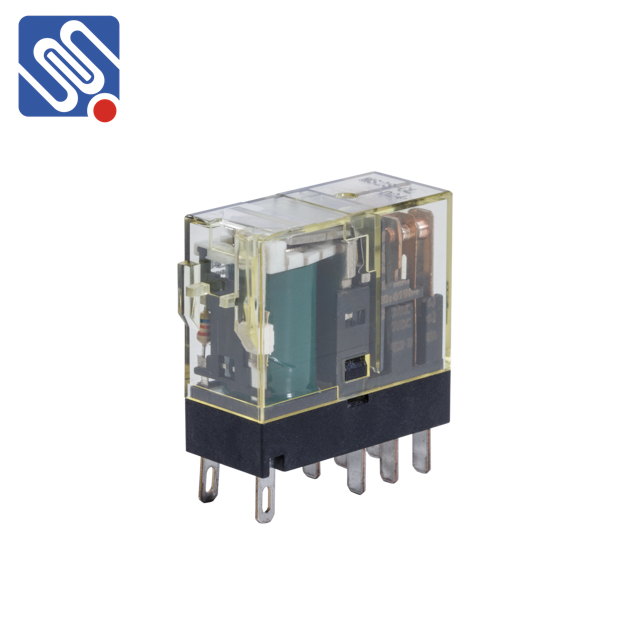
1. Understanding the Different Relay Types Relays come in various forms, each suited for specific applications. The most common types of relays include: Electromagnetic Relays (EMR): These are the traditional mechanical relays that use an electromagnet to open and close contacts. They are ideal for a wide range of applications where the switching frequency is relatively low. Solid-State Relays (SSR): Unlike electromagnetic relays, SSRs have no moving parts and use semiconductor components to perform the switching action. They are more durable and suitable for high-frequency operations, though they may be more expensive.