Lockout/Tagout (LOTO) is a critical safety procedure implemented in many workplaces, particularly in industries where workers are exposed to dangerous machinery or hazardous energy sources. One of the key components of LOTO procedures is the use of a LOTO lock, a simple but highly effective device designed to prevent accidental machine start-ups and energy releases during maintenance or servicing activities. In this article, we will explore the significance of LOTO locks in enhancing workplace safety and preventing accidents.
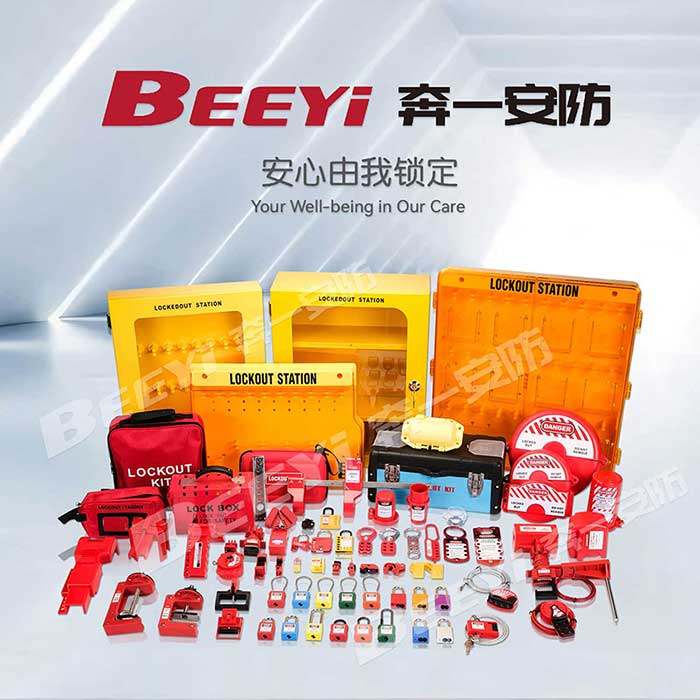
What is LOTO Lock? A LOTO lock is a device used to secure machinery or equipment in a locked-out state during maintenance or repair work. The purpose of a LOTO lock is to prevent the accidental release of hazardous energy, whether electrical, mechanical, hydraulic, or thermal, while workers are performing their tasks. By physically locking the control switches, valves, or energy isolation points of a machine, the LOTO lock ensures that no one can inadvertently start the equipment, thus reducing the risk of injuries. LOTO locks are typically accompanied by lockout tags that indicate the worker who has locked out the equipment, the reason for the lockout, and the date and time of the lockout. This system serves as a clear signal to other workers that maintenance is in progress and that they should not attempt to operate the machinery.