Automotive systems are becoming increasingly complex and safety-critical, especially with the advent of autonomous driving, electric vehicles (EVs), and advanced driver-assistance systems (ADAS). As these systems evolve, so too must the components that support them, including relays. Among the most essential components for ensuring safety and reliability in automotive electronics, the IEC 61508 compliant automotive relay stands out as a critical element. These relays are designed to meet rigorous safety standards, ensuring they operate reliably even in the most demanding automotive environments. This article explores the importance, features, and benefits of IEC 61508 compliant automotive relays in ensuring functional safety within the automotive industry.
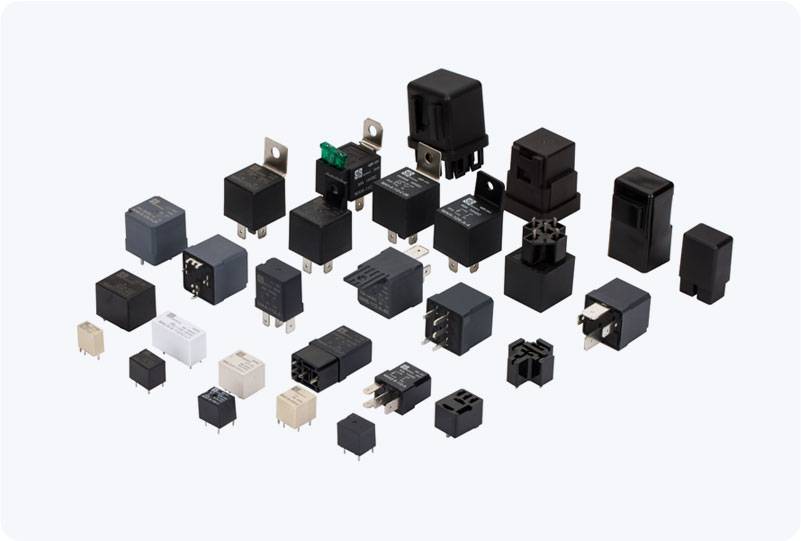
What is IEC 61508 Compliance? IEC 61508 is an international standard for functional safety in electrical, electronic, and programmable electronic systems. The standard provides guidelines for the design, development, operation, and maintenance of safety-critical systems, with the goal of minimizing the risks associated with system failures. In particular, IEC 61508 compliance is essential for any system that has the potential to cause harm to people, equipment, or the environment if it fails. Automotive systems, especially those involved in safety-critical operations, must adhere to IEC 61508 to ensure they function safely even when components or subsystems fail. The standard requires systems to be designed with fault tolerance, redundancy, and diagnostics, ensuring that the failure of one part does not compromise the entire system’s ability to perform its safety function.