In industrial settings, safety is paramount. Every year, countless workplace accidents occur due to machinery malfunctions, electrical hazards, or human errors. One of the most effective ways to minimize such risks is through the use of Industrial Safety Padlocks. These specialized locks are designed to prevent unauthorized access to equipment, machinery, and energy sources during maintenance, repair, or cleaning activities. By ensuring that workers do not accidentally start machinery or electrical systems while others are working on them, safety padlocks are a critical component of workplace safety protocols.
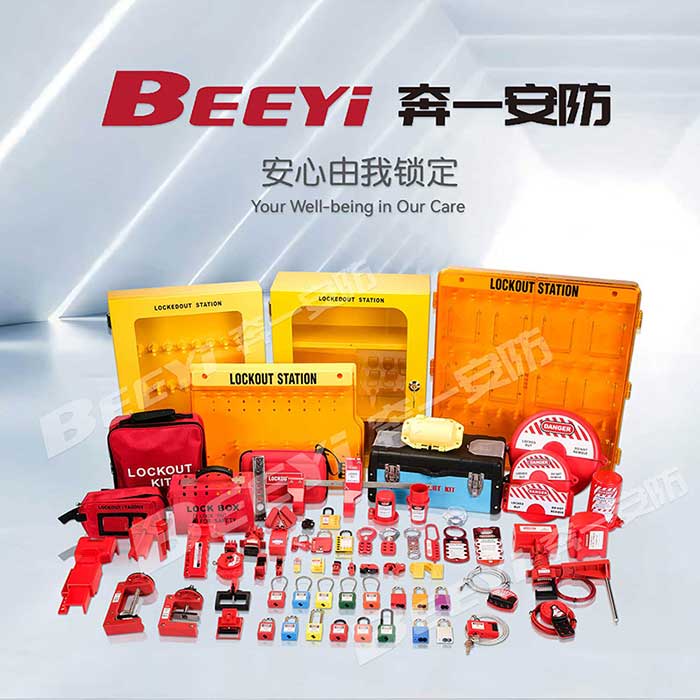
What are Industrial Safety Padlocks? An Industrial Safety Padlock is a robust locking device used as part of a lockout/tagout (LOTO) procedure. The purpose of a lockout/tagout procedure is to ensure that energy sources to industrial equipment are properly isolated and rendered inoperable to prevent the unintended release of energy during maintenance activities. Safety padlocks play a central role in this procedure, physically securing machines, electrical panels, or other potentially hazardous equipment from being accidentally activated by unauthorized individuals. These locks are designed to be highly durable and often come with features that make them distinct from everyday padlocks. They are typically used alongside safety tags to indicate the status of the equipment and the identity of the person responsible for the lockout.