As the automotive industry shifts toward sustainability, New Energy Vehicles (NEVs) have emerged as the future of transportation. NEVs, powered by alternative energy sources like electricity or hydrogen, are becoming increasingly popular due to their potential for reducing carbon emissions and dependence on fossil fuels. In this evolving landscape, the integration of advanced technologies plays a crucial role in enhancing the performance, safety, and reliability of these vehicles. One such technology that is gaining traction in NEVs is Solid-State Relays (SSR). This article explores the significance of SSR in New Energy Vehicles, highlighting its role in improving electrical systems, safety, and overall efficiency.
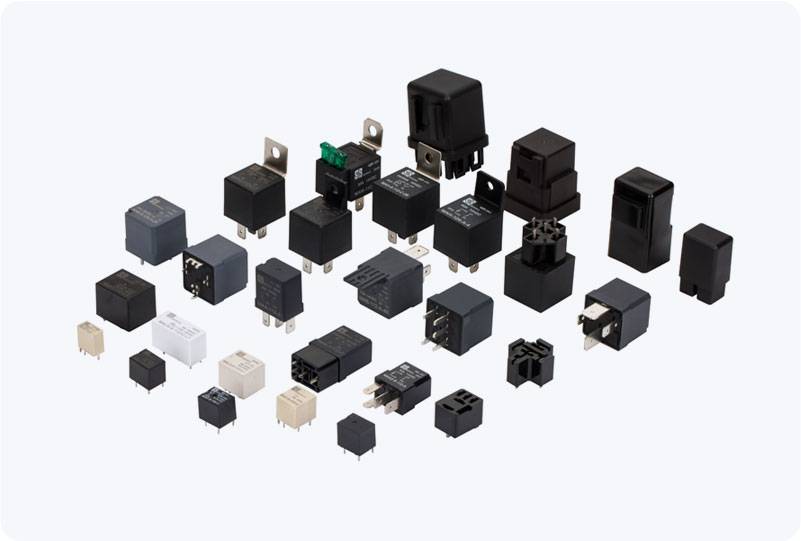
What are Solid-State Relays (SSR)? A Solid-State Relay (SSR) is an electronic switching device that controls the flow of electricity through a circuit without any moving parts. Unlike traditional electromechanical relays, SSRs use semiconductors such as transistors, thyristors, or triacs to perform switching operations. This absence of mechanical components offers several advantages, including faster response times, higher durability, and more efficient energy management. In the context of New Energy Vehicles, SSRs are becoming integral to many of the vehicle’s electrical systems, particularly those related to power management, motor control, and charging.